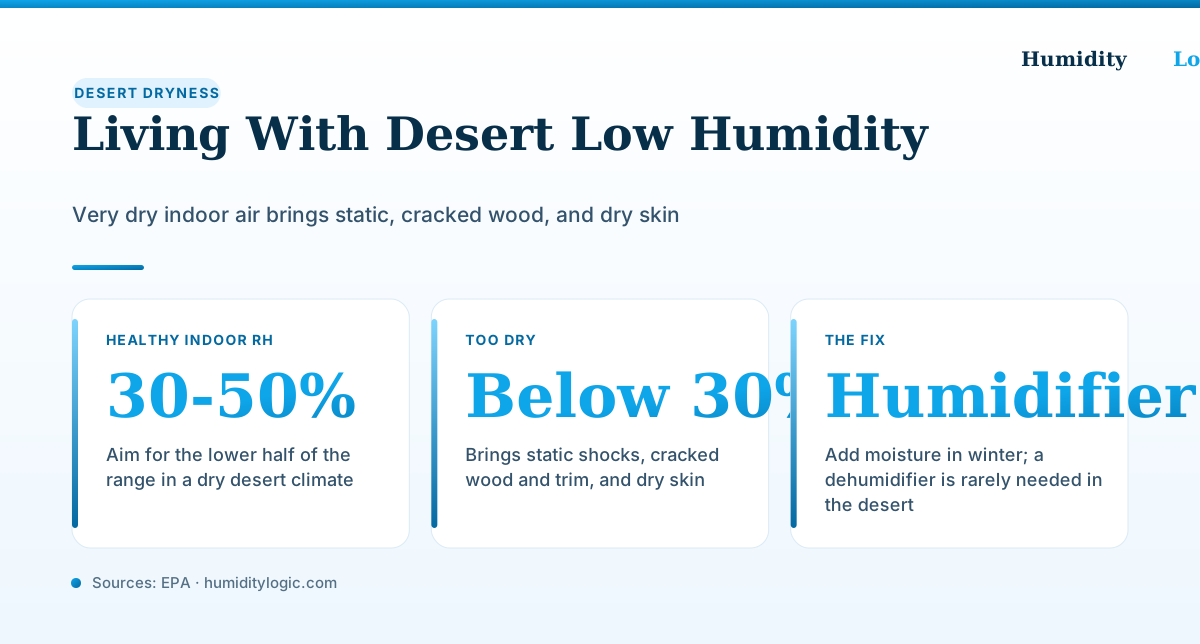
In a desert climate, indoor air often drops below 30% relative humidity — well under the healthy 30-50% range — which is why you get static shocks, cracked wood and trim, dry skin, and irritated sinuses. The fix is almost always to add moisture with a humidifier, not to run a dehumidifier. Dry Southwest air simply does not hold enough water vapor for a dehumidifier to help, except in a damp problem spot or during evaporative-cooler season.
If you have moved to Arizona, Nevada, New Mexico, or inland Southern California from a wetter part of the country, the dryness is the first thing your home tells you about. Doorknobs zap you, wood furniture develops hairline cracks, and your skin feels tight by mid-morning. None of that is a malfunction — it is what happens when the air around you is thirstier than the things in it.
What Is a Healthy Indoor Humidity Level in the Desert?
The target is the same everywhere in the country: the EPA recommends keeping indoor relative humidity between 30 and 50 percent. What changes in the desert is which end of that range you live at. In a humid coastal state the fight is to stay under 50%. In the Southwest, the fight is to stay above 30%.
A practical goal for a desert home is a steady 30-40% indoors. That is low enough to be achievable without soaking your house, and high enough to stop the static and the cracking. For a fuller breakdown of why this band is the sweet spot, see our guide to ideal indoor humidity levels. If you want a quick read on whether your current numbers are in the comfort zone, run them through the humidity comfort checker.
Relative humidity is the measurement that matters here, because it accounts for temperature. Warm air can hold far more water vapor than cold air, so the same amount of moisture reads as a much lower percentage once your home is heated or cooled to a comfortable temperature. That is a big part of why desert homes read so dry indoors even when it is not freezing outside.
Why Does Desert Air Get So Dry Indoors?
Desert air starts with very little moisture, and running your HVAC removes even more. Outdoor humidity in the Southwest routinely sits in the single digits during the day, so there is barely any water vapor to bring inside in the first place. When you heat that air in winter, its relative humidity falls further, exactly the way it does in a cold northern winter. When you cool it with a refrigerated air conditioner in summer, the cooling coil condenses moisture out and drains it away, drying the air a second time.
The result is that a desert home can be too dry in every season, not just winter. A house in Phoenix or Las Vegas running the AC hard in July can read below 30% indoors, and the same house in January can read even lower. Because the two mechanisms are seasonal opposites — heating in winter, air conditioning in summer — the dryness never really lets up. If you are new to tracking these numbers, our explainer on the difference between dew point and humidity shows why a low dew point outdoors translates into parched air inside.
What Problems Does Very Dry Air Cause?
Below 30% relative humidity, dry air pulls moisture out of anything that will give it up — your skin, your sinuses, and the wood in your home — until everything reaches a drier balance. The symptoms fall into two buckets: comfort and preservation.
On the comfort side, NDSU Extension notes that humidity below 30% is associated with dry and cracking skin, respiratory irritation, and static electricity. You feel it as tight, flaky skin, chapped lips, a scratchy nose and throat, more frequent static shocks, and sometimes nosebleeds. This is an irritation-and-comfort problem, not a diagnosis — but it is a real and daily annoyance in a dry climate.
On the preservation side, dry air quietly damages your home and belongings. Hardwood is typically kiln-dried to around 6% moisture content before it is built into furniture or flooring; when the surrounding air falls well below that equilibrium, the wood shrinks, and shrinking wood cracks and pulls apart at its joints. This Old House documents the same pattern across wood flooring that gaps and bends, split trim and molding, loose furniture joints, wine corks, wooden instruments that fall out of tune, and even oil paintings. Static from dry air can also stress the internal components of electronics. Putting the missing moisture back is what stops all of it.
How Do I Add Moisture to a Desert Home?
The reliable fix is a humidifier, sized to the space, run whenever your hygrometer drops below about 30%. Everything else is a supplement. A humidifier is the only tool that adds water vapor on demand and holds a setpoint, which is exactly what a chronically dry house needs.
You have two main options. A portable humidifier handles a bedroom, office, or nursery — the rooms where dryness bothers you most — and is the cheapest way to start. A whole-home humidifier installed on your furnace or air handler treats the entire house from one unit and is worth considering if the whole place reads dry all winter. For a room-by-room walkthrough of methods ranked by how much they actually move the number, see our guide on how to increase humidity in your house.
A few practical habits stack on top of a humidifier for free: air-dry laundry indoors, cook on the stovetop with lids off, leave the bathroom door open after a shower, and keep a cluster of well-watered houseplants. Individually these are small, but together they help hold the number up between humidifier runs.
Whatever you use, keep it clean and do not overshoot. The EPA warns that standing water in a dirty humidifier grows bacteria and mold that get dispersed into the air, and that over-humidifying encourages mold, dust mites, and condensation. Empty and dry the tank daily, clean the unit regularly, and stop adding moisture once you reach the 30-50% band. A cheap hygrometer, which NDSU Extension notes sells for as little as a few dollars at a hardware store, is the tool that keeps you honest.
When Would a Desert Home Ever Need a Dehumidifier?
Almost never — but there are two real exceptions. The first is a damp problem spot that stays wet regardless of the dry climate outside: a bathroom without good ventilation, a laundry area, or a below-grade basement corner that traps moisture. A small dehumidifier or a better exhaust fan can help there while the rest of the house stays dry.
The second is evaporative cooler season. An evaporative or “swamp” cooler works by blowing air across wet pads, which cools your home specifically by adding humidity to it. During the weeks you run one, indoor humidity climbs on purpose, and in a poorly ventilated house it can occasionally push high enough to feel muggy or risk condensation. If that happens, the answer is usually more airflow — swamp coolers are designed to run with windows cracked — rather than a dehumidifier fighting the cooler you are paying to run. Outside those two situations, reaching for a dehumidifier in the desert just makes a too-dry house drier.
Desert dryness is the mirror image of the muggy problems people fight in wetter parts of the country. If you are curious how the other extreme looks, our roundup of the most humid states shows the opposite battle. In the Southwest, though, the playbook is simple: watch your hygrometer, aim for the lower half of 30-50%, and add moisture whenever you fall below it.
Frequently asked questions
What is a normal indoor humidity level in the desert?
Aim for the EPA's 30-50% range, and expect to sit in the lower half of it. In a dry Southwest climate, holding a steady 30-40% indoors is a realistic and comfortable target. Left alone, desert homes often drift below 30%, into the zone where static, cracked wood, and dry skin show up, so most homes need to add moisture rather than remove it.
Do I need a dehumidifier in a desert climate?
Rarely. A dehumidifier removes moisture, and desert air already has very little, so running one usually makes a too-dry house worse. The exceptions are narrow: a damp problem spot like a bathroom or basement corner, or the months you run an evaporative "swamp" cooler, which deliberately adds humidity. Most of the year, a humidifier is the tool you actually need.
Why is the air in my house so dry even in summer?
Two reasons. Outdoor desert air holds little water vapor to begin with, and running refrigerated air conditioning pulls even more moisture out as it cools. So a Phoenix or Las Vegas home can read below 30% indoors in July, not just in winter. The number to watch is relative humidity, which a cheap hygrometer will show you.
Is very low humidity actually bad for me?
It is mostly a comfort and preservation issue rather than a serious health one. Dry air pulls moisture from your skin, eyes, nose, and throat, which feels irritating and can make static and nosebleeds more common. NDSU Extension links humidity below 30% to dry, cracking skin and respiratory irritation. Adding moisture back to the 30-50% range relieves the symptoms.
Will houseplants or bowls of water fix desert dryness?
Only a little. Plants and open water evaporate slowly and barely move the number in a dry, well-ventilated desert home. They are fine supplements, but the reliable lever is a humidifier that adds moisture on demand and holds a setpoint. Treat plants and water trays as extras on top, not the main fix.
Sources & references
Every figure on this page is checked against these published sources. Last reviewed August 14, 2026.