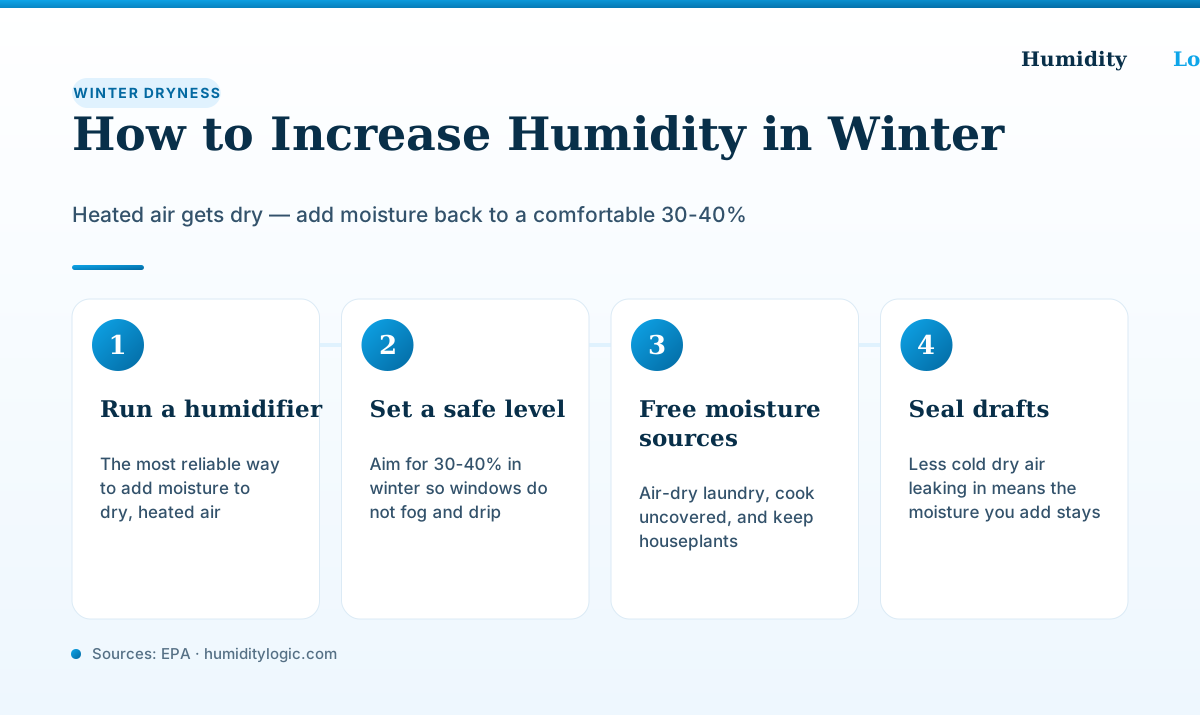
Winter heating dries indoor air out, often pushing it below 30% relative humidity, where static, cracked wood, and dry skin set in. The fix is to add moisture back to about 30-40% with a humidifier plus free sources like indoor laundry and uncovered cooking — but not so high that your windows fog. Keep a hygrometer where you can see it, hold the reading in the 30-40% band during cold weather, and seal drafts so the moisture you add actually stays in the house.
Why Does Heated Air Get So Dry in Winter?
Winter air is dry indoors because cold outdoor air carries almost no water vapor, and heating that air lowers its relative humidity even further. Relative humidity measures how much moisture the air holds against the maximum it could hold at that temperature, and warm air can hold far more than cold air. So when your furnace warms freezing outdoor air to a cozy 70°F without adding any water, the relative humidity collapses — air that read 60-70% at 20°F outside can register 15-25% once it is heated inside.
Leaky homes amplify the effect. Every draft around a door, window, or outlet pulls in more cold, bone-dry outdoor air that dilutes whatever moisture you have. That is why the same house can feel muggy in July and desert-dry in January without anything changing but the season. Our guide to desert-style low humidity covers the same physics in a year-round dry climate.
What Does Dry Winter Air Actually Damage?
Below 30% relative humidity, dry air causes static shocks, cracked wood, and comfort complaints as it pulls moisture out of anything that will give it up. The effects you notice first are comfort ones: dry, itchy skin, scratchy eyes and sinuses, and the static charge that snaps when you touch a doorknob. None of that is a medical claim — it is simply what parched air feels like.
The slower, costlier damage is to your home and its contents. Hardwood furniture and flooring are typically dried to around 6-8% moisture content before they are built; when indoor air sits well below that equilibrium for weeks, the wood shrinks, and shrinking wood cracks and opens gaps at its joints. This Old House documents the same pattern in wood flooring, books, wine corks, musical instruments, and even oil paintings, and notes that static from dry air can damage the internal components of electronics. Putting the missing moisture back is a comfort-and-preservation fix, not a health treatment.
How Do I Increase Humidity in Winter Fast?
The fastest way to raise winter humidity is a right-sized humidifier with free moisture sources stacked on top. Each one adds water vapor to the air; together they move a dry room back toward 30-40% in hours rather than days. Start with the reliable lever and work down:
- Run a humidifier. This is the only method that adds moisture on demand and holds a setpoint. The EPA’s guide to indoor air quality is blunt about it: “To increase humidity, use a vaporizer or humidifier.” Put it in the room where you spend the most time.
- Air-dry laundry indoors. A single wet load holds several pints of water, and a drying rack releases all of it into your living space — the exact behavior you would avoid in a humid summer, put to work in winter.
- Cook uncovered on the stovetop. Boil water with the lid off, simmer instead of microwaving, and run a kettle. Open the dishwasher after the wash cycle and let the dishes steam-dry into the room.
- Leave the bathroom door open after showers. Skip the exhaust fan for a few minutes and let the steam drift into the house instead of venting straight outdoors.
- Group well-watered houseplants. Transpiration adds a modest, steady amount of vapor; clustering the plants and keeping the soil damp concentrates the effect in one room.
These free sources add up, but they are supplements. A humidifier is what lets you actually hold a number through a cold snap.
What Size Humidifier Do I Need for the Space?
Match the humidifier’s rated coverage to the room’s square footage. An undersized unit runs flat out and never reaches target, while an oversized one is easy to over-humidify with, which creates the exact window-fogging and mold problem you are trying to avoid. If you are shopping or trying to figure out whether your current unit is big enough, our humidifier size calculator turns your room dimensions into a capacity target.
Safety matters more with humidifiers than most people expect, because a neglected unit becomes a moisture problem of its own. The EPA is specific about maintenance: empty the tank, wipe all surfaces dry, and refill portable humidifiers daily, and clean them every third day. Standing water and a damp wick grow bacteria and mold, and cool-mist ultrasonic and impeller models can disperse those microorganisms — plus the minerals in tap water — into the air. Two habits handle it: use water labeled distilled to cut mineral dust, and stick to the daily-empty, every-third-day-clean routine.
What Humidity Level Should I Aim For in Winter?
Aim for about 30-40% relative humidity in winter, lower than you would run in summer. The EPA recommends keeping indoor relative humidity below 60%, and ideally between 30% and 50%, to stay comfortable without inviting mold or dust mites. Winter deliberately hugs the dry end of that band, and the reason is condensation.
When it is well below freezing outside, your window glass gets cold too — a furnace keeps the room warm but cannot keep the glass warm. On single-pane and older windows, the interior surface roughly tracks the outdoor temperature, so it can sit in the 30s or 40s (°F) even while the room reads 70°F. Push indoor humidity to a summery 45-50% and that cold glass will fog, drip, and eventually feed mold at the frame. If your windows sweat, dial the humidity down a few points; our guide to condensation on the inside of windows walks through the trade-off in detail. For the full season-by-season picture, see our overview of ideal indoor humidity levels. The goal is a moving target: humidify enough to kill the static and protect the wood, but back off before the windows weep.
Why Sealing Drafts Makes the Moisture You Add Last
Sealing drafts is the step people skip, and it is what decides whether your humidifier is fighting a losing battle. Every gap that lets cold outdoor air infiltrate is pulling in air with almost no moisture in it, so the vapor you just added gets diluted and swept away. Weatherstripping doors, caulking around window frames, and closing off obvious leaks means the moisture you generate stays put, and the humidifier cycles less to hold the same reading.
This is the winter mirror image of a summer humidity problem: in July you seal the house to keep muggy outdoor air out, and in January you seal it to keep the moisture you added in. The same tightness that helps you here is why a well-sealed home can also trap too much moisture — which is a job for a correctly sized dehumidifier in the opposite season. Winter is about adding moisture and keeping it; summer is usually about removing it.
Am I Adding Too Much Instead?
A humidifier and a dehumidifier are opposite tools for opposite problems, so confirm which one you actually need before you commit. If your air is dry, static-prone, and reading under 30%, you want to add moisture. If your windows are fogging, the sills feel damp, or the reading climbs past 50%, you have gone too far and need to back off — the EPA says to lower the humidistat or run the unit less when water condenses on windows or walls.
Most homes only need one direction at a time, and the season usually decides which: dry in winter, damp in summer. A $10 hygrometer takes the guesswork out entirely. Hold the reading between 30% and 40% through cold weather, clean the humidifier on schedule, and seal the drafts — that combination clears the static and protects the wood without ever tipping you into the foggy-window, moldy zone at the other end of the scale. If you want the deeper how-to on adding moisture year-round, our main guide on how to increase humidity covers every method in order of impact.
Frequently asked questions
What is the fastest way to increase humidity in winter?
Run a humidifier sized to the room and stack free moisture on top of it: air-dry a load of laundry indoors, cook uncovered on the stovetop, and leave the bathroom door open after a shower. The humidifier moves the number reliably and holds a setpoint, while the free habits add several extra pints of water vapor a day at no cost.
What humidity level should I aim for in winter?
Aim for about 30-40% relative humidity in winter, lower than the 40-50% you might run in summer. The EPA recommends keeping indoor humidity between 30% and 50% and always below 60%. Winter sits at the dry end of that band on purpose, because cold window glass will fog and drip if you push the moisture much higher.
Why does my house get so dry in winter?
Cold outdoor air holds very little water vapor, and heating it indoors drops its relative humidity further. Air that reads a comfortable 60-70% outside at freezing can fall to 15-25% once your furnace warms it to 70°F. Drafty homes make it worse, because every gap pulls in more cold, bone-dry air.
Can I raise winter humidity without a humidifier?
Yes, up to a point. Air-drying laundry indoors, cooking uncovered, running a kettle, keeping grouped houseplants watered, and leaving the bathroom door open after showers all release water vapor into the house. These free sources can lift a room a few points, but a humidifier is the only tool that adds moisture on demand and holds a target.
How do I know if I am adding too much humidity?
Your windows tell you first. Persistent fog, condensation, or frost on the inside of the glass, or damp sills, means the indoor air is too humid for how cold it is outside. The EPA says to lower the humidistat or run the humidifier less if water condenses on windows or walls. Drop the setting a few points and watch the glass clear.
Sources & references
Every figure on this page is checked against these published sources. Last reviewed August 7, 2026.