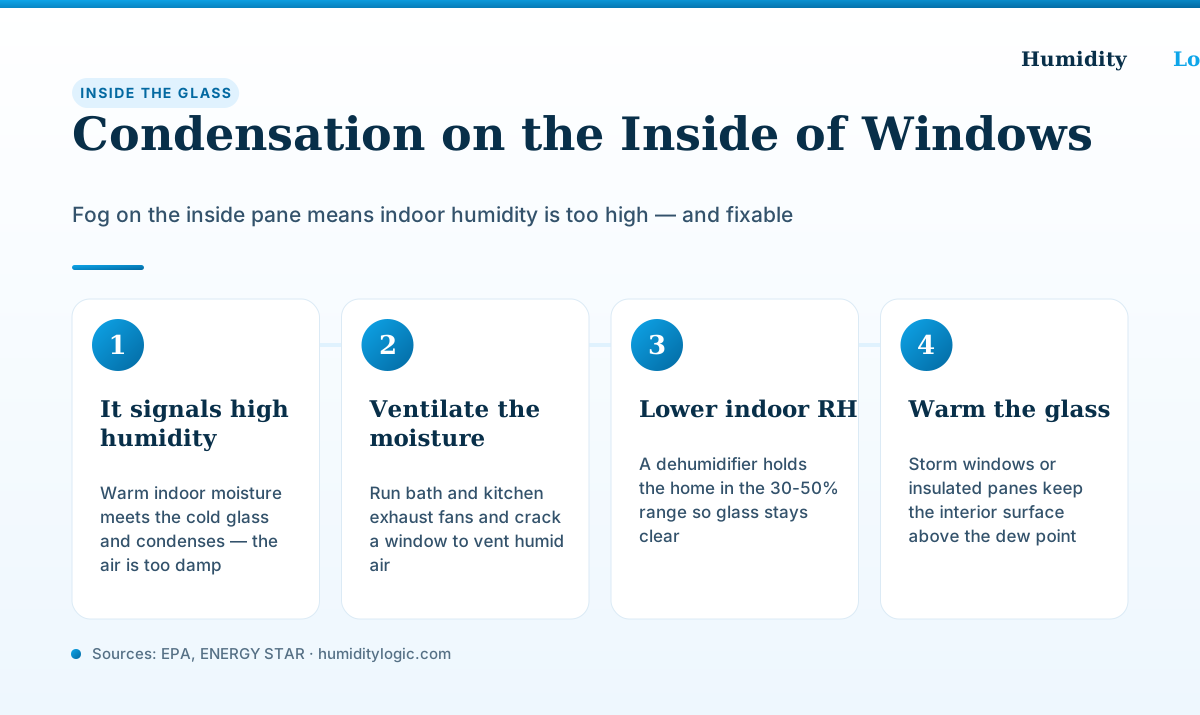
Condensation on the inside of your windows is a real signal that indoor humidity is too high. Warm, moisture-laden air inside your home drifts against the cold glass, cools below its dew point, and the vapor condenses into the beads of water you see on the room side. Unlike dew on the outside of the glass — which is harmless weather — interior fog is worth fixing, because water left on the sill feeds mold and rots the frame. The fix is a clear sequence: ventilate the moisture at its source, lower indoor humidity to 30-50% with a dehumidifier, and warm the glass so its surface stays above the dew point.
What does condensation on the inside of windows mean?
It means the air inside your home holds more moisture than the cold glass can tolerate. When warm, humid indoor air meets a surface colder than its dew point, the water vapor has nowhere to go but liquid — the same physics that beads water on a cold drink in a warm room. Andersen Windows puts it plainly: “The reason condensation forms inside the window is because the humidity level is too high indoors, not because there is something wrong with the window.”
That distinction matters. Fog on the inside pane is a message about your air, not a defect in your glass, and it is fully fixable. It is the opposite story from condensation on the outside of windows, which is just morning dew and a sign of efficient glass. If you are unsure which type you have — inside, outside, or trapped between the panes — our overview of condensation on windows walks through all three side by side.
Where does the moisture come from?
Almost every activity inside a home adds water vapor to the air. Andersen lists the obvious culprits: humidity “forms when we breathe, when we cook, when we shower, when we do laundry, and other everyday activities.” The EPA adds cooking, showering, humidifiers, steam radiators, clothes dryers, and unvented combustion appliances to the list of indoor moisture sources.
A tightly sealed, well-insulated modern home traps that moisture especially well. The same weatherproofing that lowers your energy bills also stops humid air from leaking out, so cooking a pot of pasta or taking a long shower can spike indoor humidity for hours. When that damp air reaches the coldest surface in the room — the window glass — it condenses. Understanding what condensation is makes the pattern obvious: the glass is not producing water, it is simply the first cold surface the moist air reaches.
Is condensation on the inside of windows bad?
Yes, if you ignore it — it can lead to mold and wood rot. The water beading on the glass does not stay on the glass. It runs down onto the sash, sill, and surrounding drywall or trim, soaking porous materials that stay damp long after the window clears. The EPA warns that it is “important to dry water damaged areas and items within 24-48 hours to prevent mold growth” — and a window that fogs every morning keeps those materials wet well past that window.
Over a full winter, chronic sill dampness can peel paint, stain wood, corrode metal hardware, and rot the frame from the inside out. Persistent moisture is exactly the condition mold needs. So while a quick wipe of the glass removes the symptom, it does nothing about the humidity refilling the air behind it. The lasting fix is to lower the moisture load, which is a broader project than the windows alone — see how to lower humidity in your house for the full approach.
How do I stop condensation on the inside of windows?
Work in order: ventilate the moisture, lower the humidity, then warm the glass. Ventilation comes first because it removes water vapor at the source, before it ever spreads through the house. Run your bathroom exhaust fan during and after every shower, and your kitchen range hood whenever you cook. Andersen’s advice is specific: run bathroom fans “until your mirror is clear,” and make sure gas appliances, clothes dryers, and exhaust fans all vent to the outside rather than into an attic or crawlspace. On a mild day, cracking a window for a few minutes flushes humid air out fast.
Next, lower the whole home’s humidity with a dehumidifier. ENERGY STAR states that “the optimum RH level for a building is generally considered to be between 30% and 50%,” and that in heating season “humidity levels should be in the range of 30% to 40% RH to prevent window condensation.” Set a dehumidifier to hold that band and it will keep the air dry enough that the glass stays clear. To see how close your indoor conditions are to fogging the glass, run the numbers through our condensation risk calculator.
Finally, warm the glass so its interior surface never falls below the dew point. Storm windows, double- or triple-pane insulated glass, and low-E coatings all keep the room-side surface warmer, giving humid air less chance to condense. Even improving air circulation helps: Andersen recommends you “open your drapes or shades during the day so warm air can reach your windows” and “use ceiling fans to promote air movement,” so heated room air keeps washing over the glass instead of letting a cold, still film build up.
What is the right indoor humidity to prevent it?
Aim for 30 to 50 percent relative humidity, and lean toward the lower end in winter. The EPA recommends keeping indoor relative humidity “below 60 percent – ideally between 30 percent and 50 percent, if possible,” a band that controls both condensation and mold. ENERGY STAR narrows the winter target to 30 to 40 percent specifically to prevent window condensation, because the glass runs coldest when it is freezing outside.
The reason the target drops in winter is the dew point. The colder the glass, the lower the humidity has to be before that surface stops condensing water. A room at 50 percent humidity might be perfectly clear in summer yet fog every window on a 10°F night. This is why relative humidity and dew point are related but not interchangeable — a point worth understanding, covered in dew point vs. humidity. If your home routinely sits above these numbers, review what is considered high humidity to see where you stand.
Why does it happen more in winter?
Winter is the worst season because it maximizes the gap between warm, humid room air and cold glass. In summer, indoor and outdoor temperatures are closer, so the window surface rarely drops far below room temperature. In winter, the outdoor cold pulls the interior glass temperature way down while your heating system keeps the room air warm — and often humid, since furnaces and sealed-up houses trap moisture indoors.
That wide temperature spread is the entire problem. The colder the glass relative to the air touching it, the less humidity it takes to reach the dew point on that surface. It also explains why some windows in a house fog while others stay clear: single-pane glass, metal frames without a thermal break, and north-facing or shaded windows all run colder on the inside and condense first. Vitro Architectural Glass confirms the driver, noting that “high interior humidity increases the occurrence of interior window condensation,” fed by “bathrooms, kitchens, plants and occupants.” Warmer glass and drier air, together, are what carry a home through winter without fog on the panes.
Frequently asked questions
Why is there condensation on the inside of my windows?
Because indoor humidity is too high. Warm, moist indoor air touches the cold glass, cools below its dew point, and the water vapor condenses into liquid on the room-side surface. Everyday activities like cooking, showering, and even breathing add the moisture. The window is fine — the air inside is simply too damp.
Is interior window condensation bad for my house?
Left alone, yes. Water pooling on the glass runs down onto the sash, sill, and wall, where it can feed mold and rot the frame. The EPA notes mold can start growing on damp materials within 24 to 48 hours. Wiping the glass is a stopgap; lowering indoor humidity is the real fix.
What humidity level stops condensation on windows?
Keep indoor relative humidity between 30 and 50 percent, and closer to 30 to 40 percent in winter when the glass is coldest. The EPA recommends staying below 60 percent to control mold, and ENERGY STAR notes 30 to 40 percent in heating season specifically helps prevent window condensation.
Why do my windows fog up only in winter?
Winter is the worst season because the glass gets coldest while heated indoor air often stays humid. The bigger the gap between warm, moist room air and the cold pane, the more readily vapor condenses. That is also why single-pane and metal-framed windows fog first — their interior surface runs colder.
Will a dehumidifier stop window condensation?
Usually yes. A dehumidifier lowers the moisture in the air so it no longer condenses on cold glass. Set it to hold the home in the 30 to 50 percent range and pair it with exhaust fans that vent outside. Warming the glass with storm or insulated panes helps the dehumidifier work with less effort.
Sources & references
Every figure on this page is checked against these published sources. Last reviewed August 3, 2026.