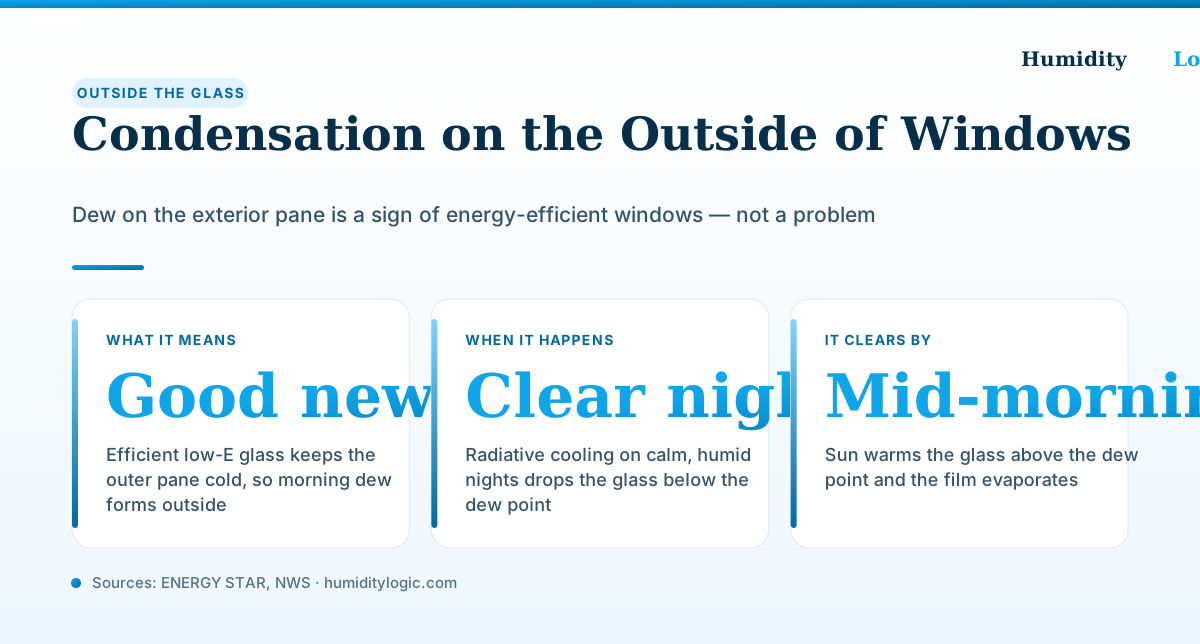
Condensation on the outside of your windows is not a defect — it is dew, and it means your windows are doing their job. When the outer pane of an energy-efficient, low-E window stays cold on a humid, calm night, radiative cooling drops the glass below the outdoor dew point and a thin film of water forms on the exterior surface. It signals efficient windows plus the right overnight weather, not a leak or a failure, and it burns off by mid-morning once the sun warms the glass. In other words, the good kind of condensation.
Is condensation on the outside of windows a problem?
No — exterior condensation is harmless dew and a sign your windows are energy-efficient. It forms on the outermost surface of the glass, the side facing the yard, and you can wipe it away with your hand. That is the tell-tale difference from a real problem: moisture on the room side means indoor humidity is too high, and fog trapped between the panes means a failed seal. Water on the outside is just weather.
According to Andersen Windows, “condensation on the outside of the window is a sign of energy efficiency” because “the outside pane of glass is thoroughly insulated from the heat indoors.” Glass makers agree: Vitro Architectural Glass notes that exterior condensation “is often evidence that your window units are performing well” and “does not mean that the glass is in any way defective or inferior.” Nothing needs fixing.
Why does efficient glass cause dew on the outside?
Because a high-performance window keeps indoor heat from warming the outer pane, so that surface gets cold enough for dew. This is the core of it. An old single-pane or leaky window bleeds interior heat straight through the glass, keeping the exterior surface a few degrees warmer than the outdoor air — warm enough to stay above the dew point. A modern window with a low-emissivity (low-E) coating and argon gas fill blocks that heat flow.
The result is an outer pane that cools to nearly the outdoor air temperature, and on the right night, below it. ENERGY STAR windows are built around a low U-factor — a measure of how little heat escapes — and those same low-E coatings and insulating construction that lower your heating bill are what leave the outer glass cold. The dew on the outside is a visible receipt for the heat you are not losing.
This is also why the effect shows up seasonally rather than year-round, and often on your best windows first. A double- or triple-pane unit with a warm-edge spacer and gas fill decouples the outer glass from your indoor climate so thoroughly that the pane behaves almost like a leaf or a car hood left out overnight. If two windows on the same wall behave differently, the one collecting dew is usually the newer or higher-rated of the pair — not the one that is failing.
Why does it form on clear, calm, humid nights?
Because clear skies and still air let the glass cool below the outdoor dew point through radiative cooling. On a cloudless night, the glass radiates its heat to the open sky and receives little back — the National Weather Service explains that clear conditions “allow for the maximum release of longwave radiation to space,” while clouds would reflect that heat back down. This is the same physics that puts frost on your lawn but not under a tree.
Calm wind matters too. The NWS notes that “light wind prevents the mixing of air right at the surface with drier air aloft,” so the thin, cold, saturated layer against the glass stays put instead of being stirred away. Add high outdoor humidity — a small gap between the air temperature and its dew point — and the glass only has to cool a little before dew forms. Clear, calm, and humid is the recipe, which is why you see it on spring and fall mornings and after muggy summer nights.
What exactly is the dew point here?
The dew point is the temperature at which outdoor air becomes saturated and water vapor must condense into liquid. When the exterior glass cools to that temperature, dew appears — no leak required, just physics finding the coldest exposed surface. It is the same principle whether moisture forms on grass, a cold drink, or a windowpane, which is worth understanding on its own; see what condensation is for the full picture.
The higher the outdoor humidity, the higher the dew point, and the easier it is for the glass to reach it. That is why a muggy night produces exterior dew while a dry night does not, even at the same temperature. If you want to see how temperature and humidity combine into a specific dew point, run the numbers through our dew point calculator. Dew point is a more useful comfort and condensation gauge than relative humidity alone — the two are related but not the same, as we cover in dew point vs. humidity.
When does it clear up?
Exterior condensation clears by mid-morning as sunlight warms the glass back above the dew point. Once the sun rises and outdoor air temperatures climb, the film of water evaporates on its own — Andersen puts it plainly: “the sun will come out and help dry up the condensation outside.” Vitro adds that when the dew “disappears when the sun comes up and warms the air, the insulating glass is working properly.”
You do not need to wipe it, run a fan, or change anything indoors. Unlike interior condensation, exterior dew has nothing to do with the humidity inside your house, so no dehumidifier or ventilation change will affect it. It is a short, self-resolving morning event tied entirely to overnight weather.
Timing varies with the season and which direction the window faces. East-facing glass catches the sun first and dries earliest, while north-facing or shaded windows may hold their film until the outdoor air itself warms and its dew point falls. On a cool, overcast morning the dew can linger longer simply because the sun is slower to reach the glass — but it still clears without any intervention on your part.
Can I reduce it if it bothers me?
Yes — give the glass more overhead shelter and less exposure to the open sky. Since exterior dew is driven by the glass radiating heat to a clear sky, anything that blocks that view of the sky reduces the cooling. Overhangs, awnings, a porch roof, or a covered patio all cut down on how far the glass cools at night.
Landscaping helps for the same reason. Tall shrubs, trees, or a nearby structure near the window act like a partial “roof,” reflecting some heat back toward the glass so it does not cool as deeply. Trimming is optional and entirely cosmetic here — you are not fixing a defect, only reducing a harmless morning film. Most homeowners simply leave it alone once they understand what it is.
How is exterior dew different from other window condensation?
The location of the moisture tells you everything, and only one of the three is harmless weather. Room-side droplets point to high indoor humidity you can lower; fog sealed between the panes points to a broken insulated-glass unit; and a wipe-away film on the outside is just dew. If you are not sure which one you are looking at, our overview of condensation on windows walks through all three side by side.
| Where the moisture is | What it means | What to do |
|---|---|---|
| Outside surface (wipes off) | Harmless dew; efficient glass | Nothing — clears by mid-morning |
| Inside surface (room side) | Indoor humidity too high | Lower indoor RH; ventilate |
| Between the panes | Failed insulated-glass seal | Replace the glass unit |
Only interior condensation calls for action, and it is about the air inside your home rather than the window itself. Exterior condensation, by contrast, is a quiet compliment to your windows: the outer pane is cold because your heat is staying inside where you paid to put it.
Frequently asked questions
Is condensation on the outside of my windows bad?
No. Exterior condensation is just dew — the same moisture that forms on grass and parked cars overnight. It actually signals that your windows are energy-efficient, because the outer pane stays cold instead of being warmed by heat leaking from indoors. It evaporates on its own once the morning sun warms the glass.
Why do only my new windows do this and not my old ones?
Old, leaky windows let indoor heat bleed through the glass, keeping the outer pane warm enough to stay above the dew point. New low-E, gas-filled windows block that heat, so the outer pane cools to near the outdoor air temperature at night. That colder surface is exactly what lets dew form outside.
When does exterior window condensation happen most?
It appears on clear, calm nights when outdoor humidity is high — typically spring and fall mornings, and after humid summer nights. Clear skies let the glass radiate heat to the sky and cool below the outdoor dew point, while calm air keeps that cold film in place. It is a morning-only, seasonal event.
How do I get rid of condensation on the outside of windows?
You do not need to. It clears by mid-morning as sunlight warms the glass above the dew point and the film evaporates. If you want to reduce it, trim shrubs and trees near the glass and cut back overhanging eaves or awnings, since less exposure to the open night sky means less radiative cooling.
How is this different from fog between the panes?
Exterior dew sits on the outside surface and wipes away with your hand. Fog trapped between the two panes of glass is inside the sealed unit and cannot be wiped off — that means the insulated glass seal has failed and the unit needs replacement. Outside dew is harmless; fog between panes is a repair.
Sources & references
Every figure on this page is checked against these published sources. Last reviewed August 3, 2026.