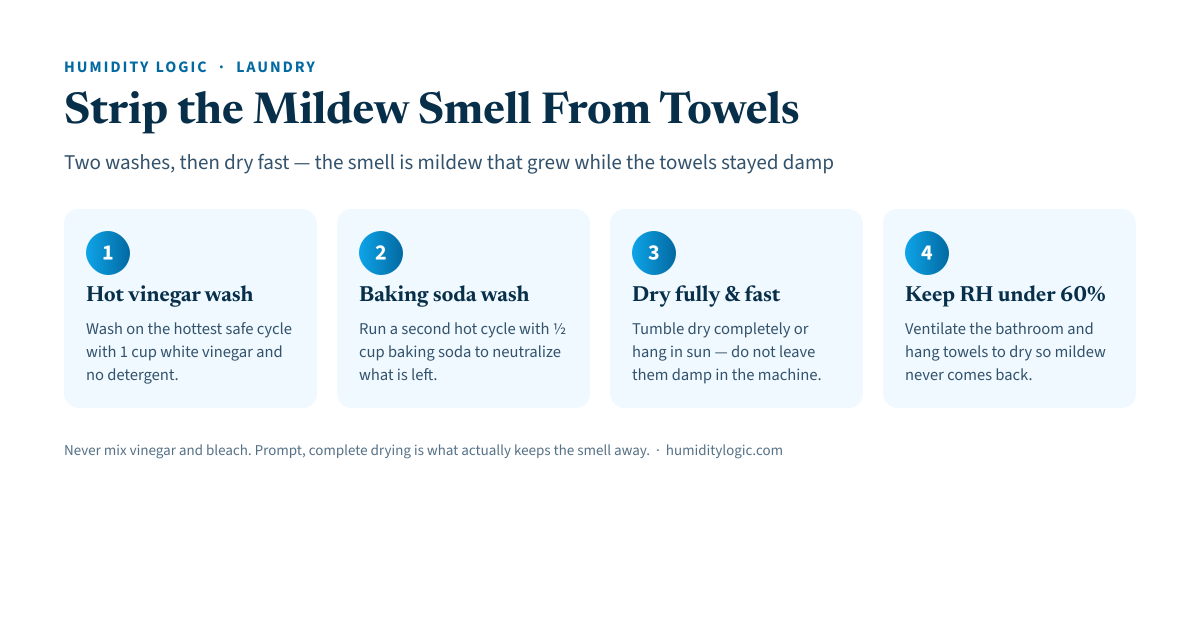
To remove mildew smell from towels, wash them alone on the hottest cycle with 1 cup of white vinegar and no detergent, then run a second hot wash with about 1 cup of baking soda. Dry them fully and immediately on high heat or in the sun. The smell comes from mildew feeding on trapped moisture, so keeping towels dry and indoor humidity under 60% is what stops it from returning.
Why do my towels smell musty?
Towels smell musty because mildew — a thin, early-stage mold — is growing in the fabric and releasing odor as it feeds on trapped moisture. The smell is a byproduct of active microbial growth, not just “dirt,” which is why a quick normal wash rarely fixes it.
Terry towels are built to hold water, and that same looped pile holds it long after you think the towel is dry. When a damp towel goes into the hamper, gets balled up on the floor, or hangs folded in a steamy bathroom, mold and odor-causing bacteria have exactly what they need. The EPA is blunt about the timeline: if damp materials are not dried within 24-48 hours, in most cases mold will grow. A towel used twice a day and never fully dried is well inside that window. Over weeks, colonies build up in the fibers and survive ordinary warm-water washes, so the towel comes out smelling clean but sours again the moment it gets wet.
How do I get the mildew smell out of towels?
Run two separate hot wash cycles — vinegar first to kill the mildew, baking soda second to deodorize — then dry the towels completely and right away. Doing it in one load does not work, because vinegar (an acid) and baking soda (a base) neutralize each other.
Here is the method that actually clears the odor:
- Hot vinegar wash. Wash the smelly towels by themselves on the hottest setting their care label allows. Add 1 cup of plain white vinegar and skip the detergent and fabric softener. As Linens & Hutch describes, the vinegar’s acidity cuts through the mildew and neutralizes the smell; for a badly soured load, let the towels soak in the hot vinegar water for 30 minutes before the cycle finishes.
- Baking soda wash. Run a second hot cycle with about 1 cup of baking soda (or your normal detergent). This is a separate load — combining vinegar and baking soda just fizzes them into salty water and cancels both.
- Dry fully and immediately. Tumble dry on high or hang the towels in direct sun until they are bone-dry. Clorox recommends a heavy-duty cycle with hot water and an extra rinse for odor removal, and the heat of the dryer helps finish off surviving spores. Move the towels the instant the wash ends — do not let them sit wet.
If a faint smell survives one round, repeat the vinegar wash. Skip fabric softener going forward: it leaves a waxy coating that traps odor and makes towels less absorbent over time.
Does vinegar or bleach work better on towels?
For most towels, white vinegar is the safer first choice, and it works on colors and whites alike. Bleach can sanitize white cotton towels, but it weakens fibers with repeated use and cannot be used on colored or patterned towels.
Vinegar attacks the mildew and the odor-causing bacteria through acidity rather than harsh oxidation, so it is gentler on the towel while still solving the smell. Reserve chlorine bleach for white towels only, never mix it with vinegar or ammonia (the combination releases toxic gas), and treat it as an occasional deep-clean rather than a routine. For a middle path, an oxygen-based (color-safe) laundry booster added to the hot wash lifts odor without the fiber damage of chlorine bleach. Whichever you choose, the drying step matters just as much — a perfectly washed towel that goes back to a damp shelf will smell musty again.
Why do clean towels keep smelling musty again?
Because the wash only removes the mildew that is already there — it does nothing about the moisture that grows the next batch. If your bathroom or laundry area stays humid and towels never dry fully between uses, the smell always comes back.
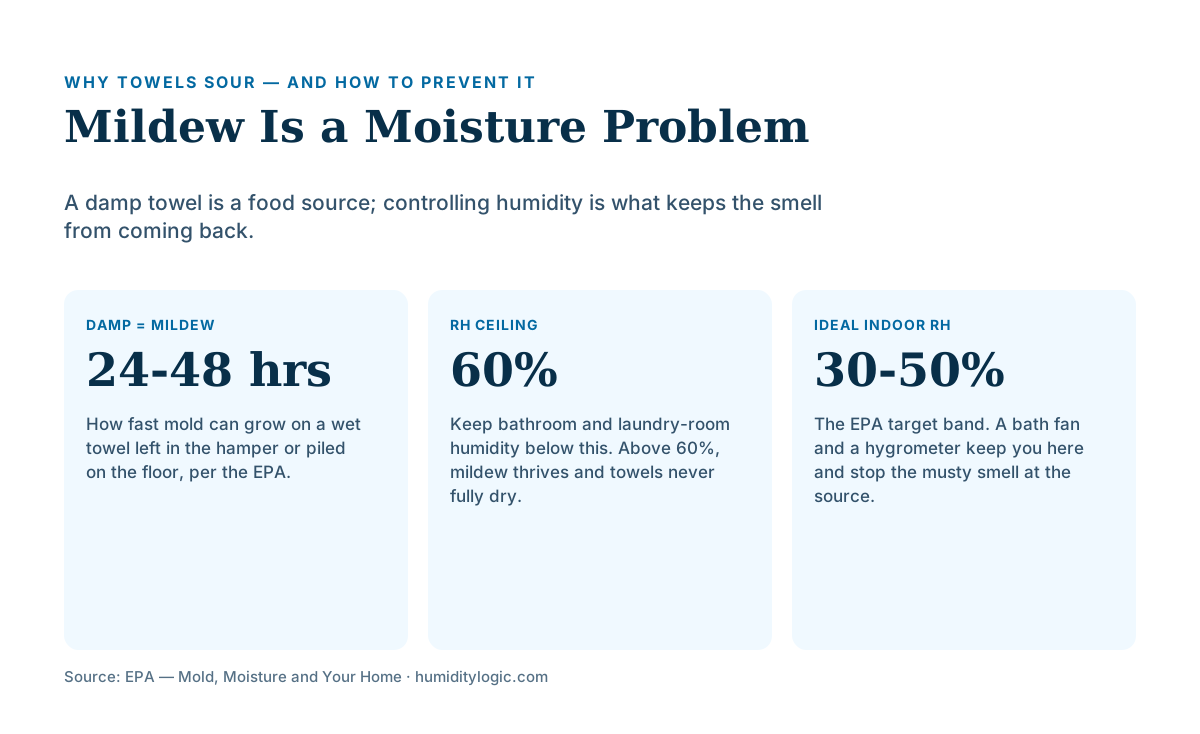
This is the part most guides skip. A towel is only as dry as the air around it. In a bathroom that sits above 60% relative humidity after every shower, a hung towel can stay slightly damp for hours, and that lingering moisture is all mildew needs. The EPA’s core rule for mold control is that controlling moisture controls mold — the musty smell is just the airborne evidence of it. So if you have re-washed the same towels twice and they keep souring, the fix is not a stronger detergent; it is drier air and faster drying. Our guide to why your house is so humid walks through the household sources that push indoor moisture up.
How do I keep towels from smelling in the future?
Never let a towel stay damp — that single habit prevents most mildew. Hang towels spread out so air reaches the whole surface, wash them every three to four uses, and keep the room’s humidity low enough that they can actually dry.
A few specifics that make the difference:
- Hang, don’t bunch. A towel folded over a hook or balled in a hamper dries from the outside only. Spread it across a bar so the whole surface gets airflow.
- Run the exhaust fan. The EPA advises you to run the bathroom fan or open a window when showering. Leave the fan on for 15-20 minutes afterward to clear the steam that keeps towels damp.
- Wash before they sour. Every three to four uses is a reasonable rhythm; a towel used to dry a wet body picks up moisture and skin bacteria fast.
- Dry the whole load promptly. Move towels to the dryer or line the moment the wash finishes — the same 24-48 hour rule applies to a wet load sitting in the machine.
- Lower the room’s humidity. Keep indoor relative humidity between 30% and 50%, and always under 60%. In a chronically damp bathroom, laundry room, or basement, a dehumidifier sized to the space pulls the moisture towels are drowning in back into range. See our how to lower humidity in the house guide for the full toolkit.
The through-line is simple: mildew is a moisture problem wearing a laundry disguise. Clear the current smell with the two-wash method, then take away the dampness — faster drying plus lower humidity — and the towels stay fresh. Not sure where your bathroom or laundry room actually sits? Run your numbers through the humidity comfort checker to see in one glance whether your air is in the safe band or quietly feeding the next musty load.
Frequently asked questions
Why do my towels smell like mildew even after washing?
Because mildew colonies survive a normal wash and reactivate when the towel gets damp again. Thick terry loops hold moisture, and if a towel goes into the hamper or gets hung up still wet, mold and bacteria feed on that dampness and release the musty odor. A hot vinegar wash plus a complete, prompt dry is what actually clears it.
Does vinegar or baking soda remove mildew smell from towels?
Both help, but in separate wash cycles. White vinegar is acidic and cuts through the mildew and odor-causing bacteria; baking soda neutralizes lingering smells. Run one hot wash with about 1 cup of vinegar, then a second hot wash with baking soda — do not combine them in one load, since they cancel each other out.
What temperature kills mildew in towels?
Wash towels on the hottest water setting their care label allows — hot water helps break down the mildew and bacteria that cold cycles leave behind. Follow it with high-heat tumble drying or full sun. The heat of drying is as important as the wash for finishing off any surviving spores.
How do I stop towels from smelling musty in the first place?
Never leave towels damp. Hang them spread out so air reaches the whole surface, wash them every three to four uses, run your bathroom exhaust fan during and after showers, and keep indoor humidity below 60%. Mildew needs moisture, so faster drying and lower humidity remove the fuel.
Can high bathroom humidity make towels smell?
Yes. A steamy bathroom that stays above 60% relative humidity keeps towels from ever drying fully, and damp fabric grows mold within 24-48 hours per the EPA. Running an exhaust fan and holding humidity at 30-50% lets towels dry between uses, which is the root-cause fix for recurring musty smells.
Sources & references
Every figure on this page is checked against these published sources. Last reviewed July 23, 2026.