Keep a dehumidifier working by cleaning the filter every ~2 weeks, emptying and washing the bucket each week or two, vacuuming the coils and grilles monthly during heavy use, flushing the drain hose to clear algae, and storing it fully dry in the off-season. A clean filter keeps the coil breathing, so it collects more water for less electricity.
Maintenance is what separates a dehumidifier that pulls its rated pints for years from one that quietly loses capacity and starts smelling musty. Every task below traces back to one idea: keep air moving freely through the machine and never let it sit wet. None of it requires tools or refrigerant work — just a schedule you actually follow.
How often should you clean a dehumidifier filter?
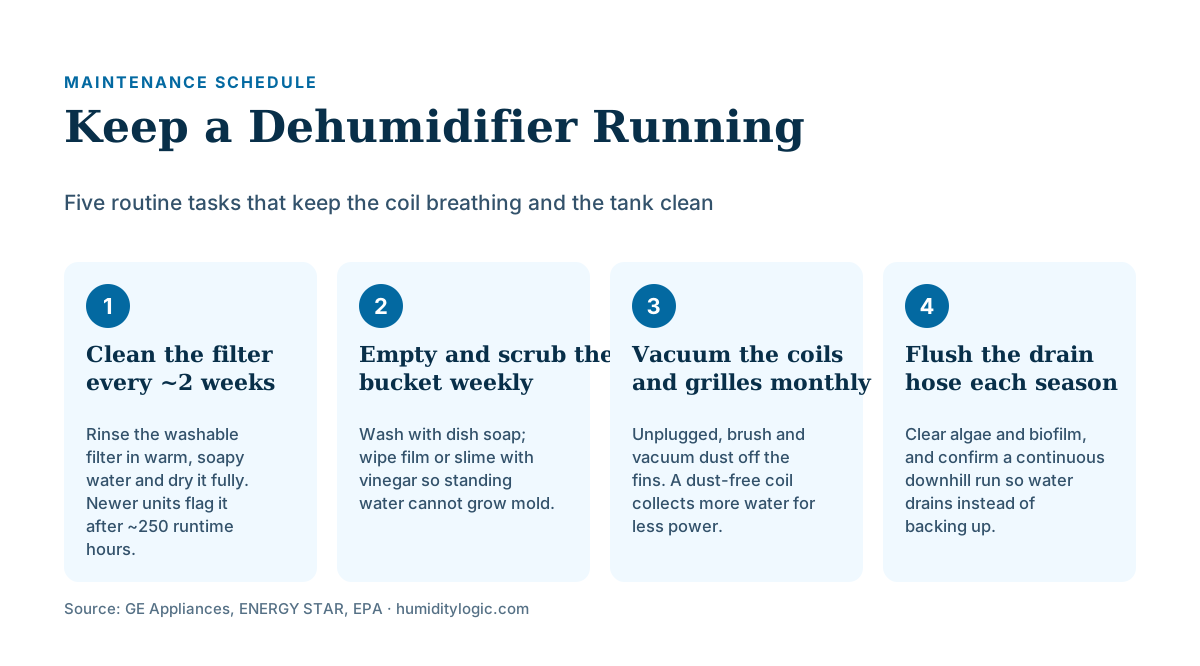
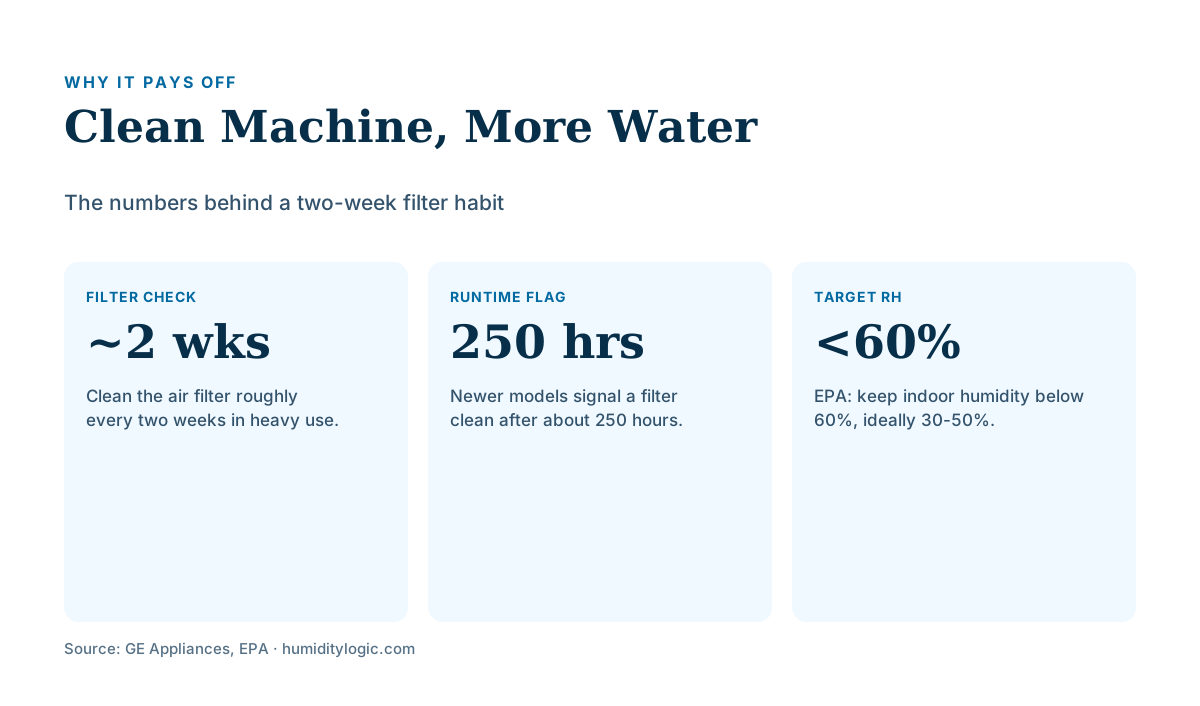
Clean the air filter about every two weeks when the unit runs most days, and sooner if it looks gray or clogged. GE Appliances tells owners of older models to “check every 2 to 3 weeks to see if it needs cleaning,” while newer models track runtime and signal a cleaning after roughly 250 hours of operation with an indicator light.
The filter is the single most important part to stay on top of because it protects the coil behind it. When the mesh clogs with dust, less air reaches the coil, and a coil that cannot breathe cannot condense as much moisture out of the room. That is why a neglected filter shows up as a machine that runs constantly but fills the bucket slowly. To clean it, unplug the unit, slide the filter out, vacuum off loose dust, then wash it in warm water with a little dish soap. Let it dry completely before reinstalling — a damp filter put back wet just feeds mildew. This same airflow starvation is the top suspect when a dehumidifier stops collecting water.
How do you clean the bucket and stop slime?
Empty the bucket whenever it fills, and wash it every week or two with warm water and dish soap to stop pink or black slime from taking hold. Any tank that holds standing water is a breeding ground — the EPA is blunt that indoor moisture should stay controlled because damp surfaces grow mold, and a forgotten dehumidifier bucket is one of the dampest surfaces in the house.
For a film or slimy coating, wipe the bucket with a solution of white vinegar and water, let it sit a few minutes, then rinse and dry it before sliding it back in. If your unit drains through a hose instead of a bucket, the tank still needs an occasional wash because condensate lingers in the low points. Emptying the bucket promptly also keeps the float switch clean; a grimy float can stick and either shut the unit off early or let it overflow, which is a frequent cause of a dehumidifier leaking water onto the floor.
Why does cleaning the coils matter?
Vacuuming the coils matters because a dust-caked coil is the quiet reason a dehumidifier gets slower and thirstier for power over the years. The coil is where warm, humid room air hits a cold surface and condenses — the whole reason the machine works, which our explainer on how a dehumidifier works walks through in detail. Coat that coil in a fuzzy insulating layer of dust and it can no longer chill the passing air efficiently, so the unit runs longer and burns more electricity to remove the same water.
Clean the coils and intake grilles a few times a season, or monthly during peak humidity. Unplug the machine first, then use a soft brush and a vacuum to lift dust from the fins; work gently, because the aluminum fins bend easily. ENERGY STAR reinforces the point from the other direction, advising owners to keep the unit “away from sources of dust and dirt… which can clog coils and grills” in the first place. Placement and cleaning work together here — our guide on where to place a dehumidifier covers keeping the grilles clear.
How do you clean the drain hose and check for algae?
Flush the drain hose with water a couple of times a season to clear the algae and biofilm that build up inside any tube carrying a slow trickle of water. A partially blocked hose backs condensate up into the unit, which shows up as puddles around the base even though nothing is broken. Disconnect the hose, run warm water through it, and use a pipe cleaner or thin brush on any visible gunk; a mild vinegar-and-water flush helps dissolve slime.
While the hose is off, confirm it still runs continuously downhill to the drain — gravity drainage only works if there is no dip or kink where water can pool and grow more algae. This is the same maintenance the EPA recommends for cooling equipment generally: keep drip pans clean and drain lines unobstructed so moisture cannot sit and support mold. If you rely on a pump to lift water up to a sink, flush the pump line the same way and confirm the check valve is not sticking.
What is a simple dehumidifier maintenance schedule?
A workable schedule is weekly bucket care, biweekly filter cleaning, monthly coil and grille attention, and an end-of-season deep clean and dry-out. The table below turns that into a checklist you can keep near the unit. Frequencies assume steady use through a humid season; a dehumidifier running only a few days a month can stretch these intervals.
| Task | How often | Why it matters |
|---|---|---|
| Empty and wipe the bucket | Weekly | Stops slime and mold in standing water |
| Clean the air filter | Every ~2 weeks | Keeps airflow to the coil; more water collected |
| Vacuum coils and grilles | Monthly in peak use | Dust-free coil condenses moisture efficiently |
| Flush the drain hose | A few times a season | Clears algae so water drains, not backs up |
| Deep clean and dry for storage | End of season | Prevents musty odor and mold over the off-season |
How do you store a dehumidifier for the off-season?
Store the unit only after it is completely dry, because sealing away a damp machine is the fastest route to a musty smell and mold that greets you next season. Empty the bucket, clean or replace the filter, vacuum the coils and grilles, then wipe the interior and leave the unit unplugged with the bucket out for a day so trapped condensate can evaporate.
Once everything is dry, coil the drain hose, put the clean filter back, and store the dehumidifier upright in a spot that stays reasonably dry — not a damp corner of the same basement it just spent all summer drying. Keeping it upright protects the compressor’s oil, the same reason you let a unit stand for several hours before running it after a move. Come spring, a quick filter and coil check is all it takes before you plug it back in. If you are shopping for a replacement or a second unit while this one is stored, our dehumidifier size calculator matches capacity to your room’s square footage and dampness.
Frequently asked questions
How often should I clean my dehumidifier filter?
Check and clean the air filter about every two weeks during heavy use. GE Appliances advises checking older models every 2 to 3 weeks, while newer models track runtime and flag the filter after roughly 250 hours. Rinse a washable filter in warm, soapy water, let it dry fully, and reinstall it.
How do I clean the bucket on a dehumidifier?
Empty the bucket whenever it fills and wash it every week or two with warm water and a little dish soap. For film or slime, wipe it with a diluted white vinegar solution, rinse, and dry it before sliding it back in. Standing water in the bucket is exactly the kind of moisture the EPA warns can grow mold.
Do I need to clean the coils on a dehumidifier?
Yes. Unplug the unit and vacuum dust off the cold coils and grilles a few times a season, or monthly during peak use. A dust-caked coil cannot pull moisture out of the air efficiently, so the machine runs longer, collects less water, and uses more electricity for the same result.
How do I store a dehumidifier for the off-season?
Empty and dry the bucket, clean or replace the filter, wipe the coils and grilles, and let the whole unit air out for a day so no moisture is trapped inside. Coil the drain hose, then store the dehumidifier upright in a dry spot. Storing it damp invites mold and musty odors.
Why is my dehumidifier collecting less water than it used to?
The most common cause is a clogged filter or dusty coils choking the airflow, so start there before assuming the unit is broken. A cold room can also cut capacity. If a clean filter and clear coils do not help, see our guide on a dehumidifier not collecting water.
Sources & references
Every figure on this page is checked against these published sources. Last reviewed July 23, 2026.