If your dehumidifier is making a loud noise, the most likely cause is not a broken machine — it is usually a leveling, dirty-filter, or fan issue you can fix yourself. A steady low hum is the normal sound of the compressor doing its job; a buzz, rattle, or gurgle that appeared recently almost always traces to an uneven floor, a clogged filter, a loose panel, or something caught in the fan. Loud knocking or grinding is the exception — that is not normal and points to a failing part. Work through the easy, free checks first, because they solve most noisy-dehumidifier complaints.
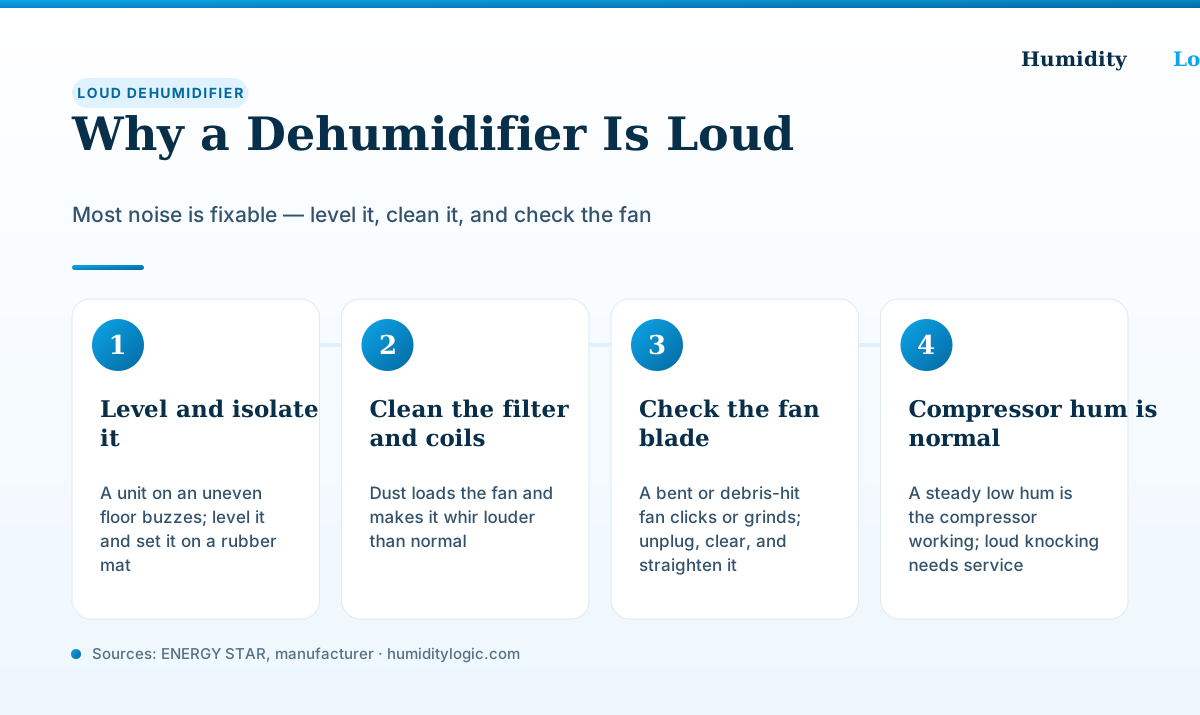
Safety first: unplug the dehumidifier before you tilt it, open a panel, or reach near the fan blade. Everything in the do-it-yourself list below is a check-and-reset task. Anything sealed inside the refrigeration system — the compressor and its mounts — is a job for a qualified technician, not a DIY repair.
Which sound means which cause?
Before you take anything apart, listen. The type of noise narrows the cause quickly.
- Steady low hum or whir — normal. This is the compressor and fan running, like a refrigerator. No action needed.
- Buzzing or vibrating — the unit is not sitting level, or a panel is resonating against the chassis. Level it and isolate it.
- Rattling or clicking — a loose panel, an unseated bucket or filter cover, or debris in the fan blade.
- Whirring louder than usual — a dirty filter or dust-loaded coils making the fan strain.
- Gurgling or dripping — normal; that is water moving to the bucket or through the drain hose.
- Loud knocking, banging, or grinding — not normal. A bent fan blade, or worse, a failing compressor that needs service.
The rest of this guide walks each of these from the cheapest fix to the last-resort repair.
Is the dehumidifier level and sitting on a solid surface?
This is the single most common source of a sudden buzz or hum, and the easiest to fix. A dehumidifier vibrates as it runs, and if it is not resting evenly, that vibration transmits straight into the floor. Frigidaire’s noise guide puts it plainly: a humming or vibrating unit “may not be properly supported and not resting on the castors evenly,” and the fix is to make sure “the unit is on a flat level surface.”
Set the unit on a hard, flat floor and check that all four feet or castors make contact. A machine on an uneven tile, a warped board, or a soft rug will rock slightly and buzz. If the floor itself is hollow or resonant — a suspended wood subfloor or a thin platform — the whole floor can act like a soundboard and amplify an otherwise quiet unit.
The simplest cure is to put a dense rubber or foam anti-vibration mat under the dehumidifier. It decouples the machine from the floor and absorbs the vibration before it can spread. Give the unit room, too: keep several inches of clearance on all sides so it is not buzzing directly against a wall or furniture that reflects the sound back into the room. A closet or a corner boxed in by hard surfaces will make even a healthy unit sound louder than it is. If you want to understand what is actually vibrating inside the cabinet, our explainer on how a dehumidifier works walks through the compressor, coil, and fan that make the sound.
Could a dirty filter or coils be making the fan louder?
A dehumidifier pulls room air through a filter and across a coil, and anything that restricts that airflow forces the fan to work harder — and louder. As AppliancePartsPros notes, a dirty or clogged air filter “can interfere with how air flows,” making the unit strain and run louder than normal. Dust caked on the coils has the same effect.
ENERGY STAR recommends cleaning the filter about every two weeks. Unplug the unit, slide out the filter, wash it in warm soapy water, let it dry completely, and reinstall it. While the filter is out, look at the coils behind it; a coat of dust or pet hair should be vacuumed away gently. A clean intake lets the fan move air freely at its designed speed instead of clawing for it. Our dehumidifier maintenance guide covers the full cleaning routine and how often to do it.
Clogged airflow does more than raise the volume — it can ice the coil and force the unit into constant cycling, so a filter clean often fixes a noise complaint and a performance complaint at once.
Is something loose or caught in the fan?
Rattling and clicking come from parts that have worked loose or picked up debris, not from the sealed system. Frigidaire’s first check for a rattle is telling: “The unit may have loose component. Check to make sure that the bucket and filter cover are properly installed.” Months of vibration also back out housing screws and let panels chatter against the chassis.
With the unit unplugged, reseat the bucket squarely, snap the filter cover back into place, and tighten any visible screws on the housing. Then look at the fan. AppliancePartsPros warns that “if the fan blade becomes damaged, (cracked, bent, wobbly, etc.) it might start vibrating and making rattling or grinding sounds.” A stray dust clump, a pen cap, or a scrap of debris lodged in the blade will throw it off balance and produce a click on every rotation.
Spin the blade by hand — it should turn freely without scraping the housing. Clear anything wrapped around it, and check that the blade is not cracked or bent. If the blade is warped or the unit still rattles once everything is reseated, the fan may be the culprit; our guide on a dehumidifier fan not working covers blade and motor diagnostics in more depth.
When is the compressor noise a real problem?
Here is the reassuring part: a constant low hum is supposed to be there. GE lists the normal sounds of a dehumidifier as compressor noise, condenser-fan noise, possible water dripping into the bucket, and “normal cycling on and off sounds much like you hear with your refrigerator.” You may even feel warm air blowing from the exhaust — also normal. None of that means anything is wrong.
What is not normal is loud knocking, banging, or metallic grinding coming from the sealed compressor. Once you have ruled out a loose panel, an unseated bucket, and a debris-jammed fan blade, a persistent knock from the compressor itself can mean worn mounts or internal wear. This is not a DIY fix — the compressor is part of the sealed refrigeration system, and GE’s compressor guidance points to service-level diagnostics for these faults. A dehumidifier that also stops pulling water while making odd noises may have a deeper problem; see why a dehumidifier is not collecting water to rule that out.
Weigh any sealed-system repair against replacement. Leveling the unit, cleaning the filter, and reseating panels cost nothing. A compressor repair on an inexpensive portable unit usually costs more than a new machine — and if yours is several years old, a correctly sized replacement will run more efficiently and, often, more quietly than the old one. Fix the free things first; they quiet the vast majority of loud dehumidifiers.
Frequently asked questions
Why is my dehumidifier suddenly so loud?
The most common causes are a unit that has drifted off level and started buzzing against the floor, a clogged filter forcing the fan to work harder, or something loose. Per Frigidaire, a humming or vibrating unit often is not resting evenly on its castors, and a rattle usually means a panel, the bucket, or the filter cover is not seated. Level it on a hard floor, add a rubber mat, clean the filter, and reseat every removable part before assuming a real fault.
Is it normal for a dehumidifier to hum or buzz?
A steady low hum is normal. GE notes that a dehumidifier makes compressor noise, condenser-fan noise, and cycling sounds "much like you hear with your refrigerator," so a constant hum while it runs is the compressor working, not a defect. What is not normal is a loud, escalating buzz or a rattle that comes and goes, which points to a loose part or a failing component.
What does it mean if my dehumidifier is rattling or clicking?
Rattling and clicking almost always come from outside the sealed refrigeration system: a loose housing panel or screw, a bucket or filter cover that is not seated, or debris caught in the fan blade. A cracked, bent, or wobbly fan blade can also vibrate and click. Unplug the unit, reseat the bucket and cover, tighten visible screws, and check the fan blade for obstructions or damage.
Why does my dehumidifier make a loud knocking or grinding sound?
Loud knocking, banging, or metallic grinding is the one noise you should not ignore. If it comes from the sealed compressor and is not a loose panel or blade you can find, it can signal worn compressor mounts or internal wear. This is a sealed-system repair for a qualified technician, and on an inexpensive portable unit it usually costs more than a replacement.
How do I make my dehumidifier quieter?
Set it on a hard, flat, level surface and put a dense rubber or foam anti-vibration mat underneath so the sound is not transmitted into a hollow floor or joists. Keep several inches of clearance around the intake and exhaust, clean the filter about every two weeks, and give the unit space away from walls and furniture that can reflect and amplify the hum. These steps quiet the majority of noisy but otherwise healthy units.
Sources & references
Every figure on this page is checked against these published sources. Last reviewed August 3, 2026.