To clean small-area shower mold, ventilate the room, put on gloves and a mask, and scrub the tile, grout, and caulk with detergent and water — the method the EPA recommends for hard surfaces. Rinse, then dry completely within 24–48 hours. This do-it-yourself approach is only for mold under about 10 square feet; anything larger needs a professional.
How Do You Clean Mold Off Shower Tile, Grout, and Caulk?
Scrub the mold off with detergent and water, then dry the surface completely — that is the entire EPA-recommended method for hard, non-porous surfaces like glazed tile and glass.
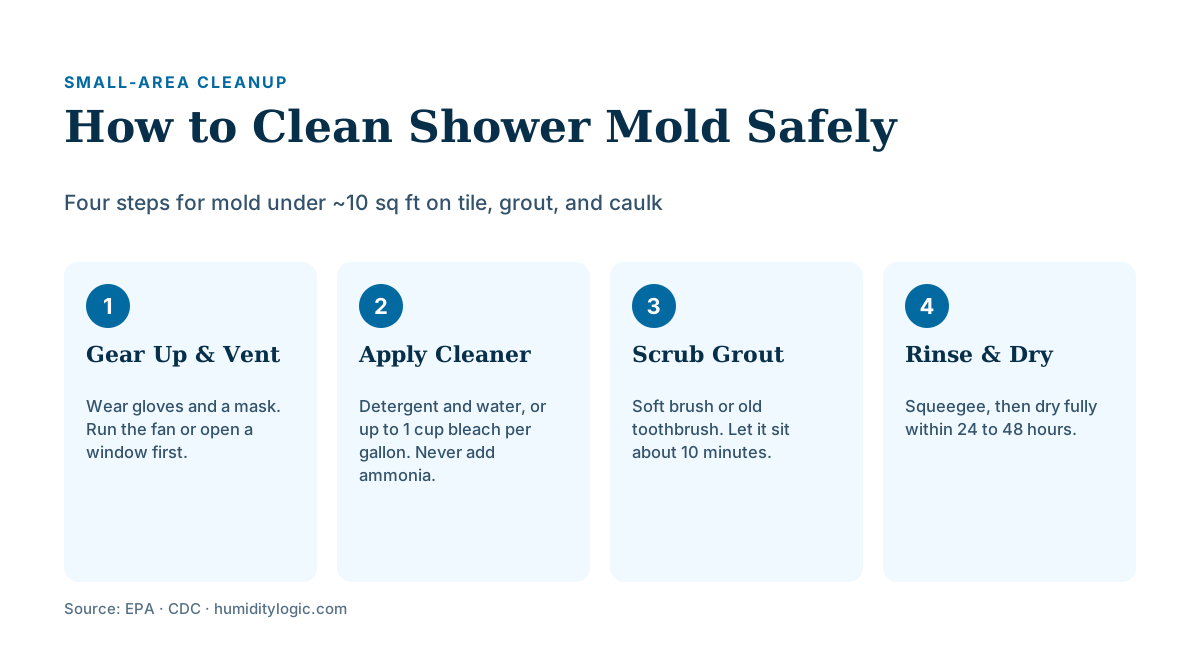
Work through it in order. First, ventilate: run the bathroom exhaust fan or open a window so you are not breathing concentrated spores in a closed room. Put on rubber gloves and a mask, and add goggles if you will be spraying anything overhead. Second, apply your cleaner. Detergent and water is enough for tile and grout; a stiff paste of baking soda and water, or a spray of plain white vinegar left to sit, both help lift staining from grout lines. Third, scrub with a soft-bristle brush or an old toothbrush, which fits the narrow grout and caulk seams where mold takes hold. Let the cleaner sit for several minutes on stubborn spots before scrubbing again.
Grout deserves extra attention because it is not fully non-porous — its rough, slightly absorbent surface traps moisture and soap residue, which is why the black film almost always starts in the grout lines and caulk seams rather than on the smooth tile face. Give those seams the most scrubbing time.
Finally — and this is the step people skip — rinse and dry the surface completely. Wipe it down, run a squeegee over the tile, and leave the fan on so the area is fully dry within 24 to 48 hours. Mold regrows from the moisture you leave behind, not the spores you missed. Drying is what makes the cleaning stick.
Should You Use Bleach, Vinegar, or Detergent on Shower Mold?
Detergent and water is the EPA’s default. Bleach works but is optional, and the EPA does not recommend it as a routine part of mold cleanup because dead mold can still cause allergic reactions — the goal is to remove the mold, not just bleach the color out of it.
If you prefer a stronger cleaner, the CDC says bleach or dish detergent are both fine for household mold. Use no more than 1 cup of bleach per gallon of water, and never mix bleach with ammonia or with cleaners that contain it, because the combination releases toxic gas. Vinegar is the popular natural alternative: spray it on, let it sit, and scrub. Whatever you choose, the deciding factor is not the product — it is whether you dry the surface afterward.
One material-specific note: bleach and vinegar both stain and clean the surface, but neither pulls mold back out of silicone caulk once it has grown in. Caulk is porous, so deeply embedded black staining often survives every scrub. When that happens, the durable fix is to cut out the old bead and re-caulk. Our guide to what counts as high humidity explains why bathrooms are the first room in the house to grow this stuff.
When Is Shower Mold Too Big to Clean Yourself?
Stop and call a professional when the moldy area is larger than about 10 square feet — roughly a 3-foot by 3-foot patch. That is the EPA’s threshold for do-it-yourself cleanup, and shower mold that has spread past it usually points to a moisture problem bigger than a dirty grout line.
Three situations put a job over the line. First, size: mold creeping across the ceiling, up the wall, or beyond a 3-by-3 patch is a professional’s job, not a weekend scrub. Second, porous or hidden materials: mold growing into drywall behind the tile, into a wood subfloor, or spreading from a leak inside the wall cannot be surface-cleaned — those materials often have to be removed and replaced. Third, cause: mold that follows a flood, sewage backup, or major water damage should be handled by a remediation professional, not a homeowner with a spray bottle.
Recurring mold is its own signal. If the same black film returns within days of every cleaning, you are treating a symptom while the cause — too much moisture — keeps feeding it. The cleaning below the line is easy; the real work is the ventilation and humidity control in the next two sections.
How Do You Stop Shower Mold From Coming Back?
Remove the moisture and you remove the mold. The single most effective prevention step is running an exhaust fan that is actually sized for your bathroom, and running it long enough.
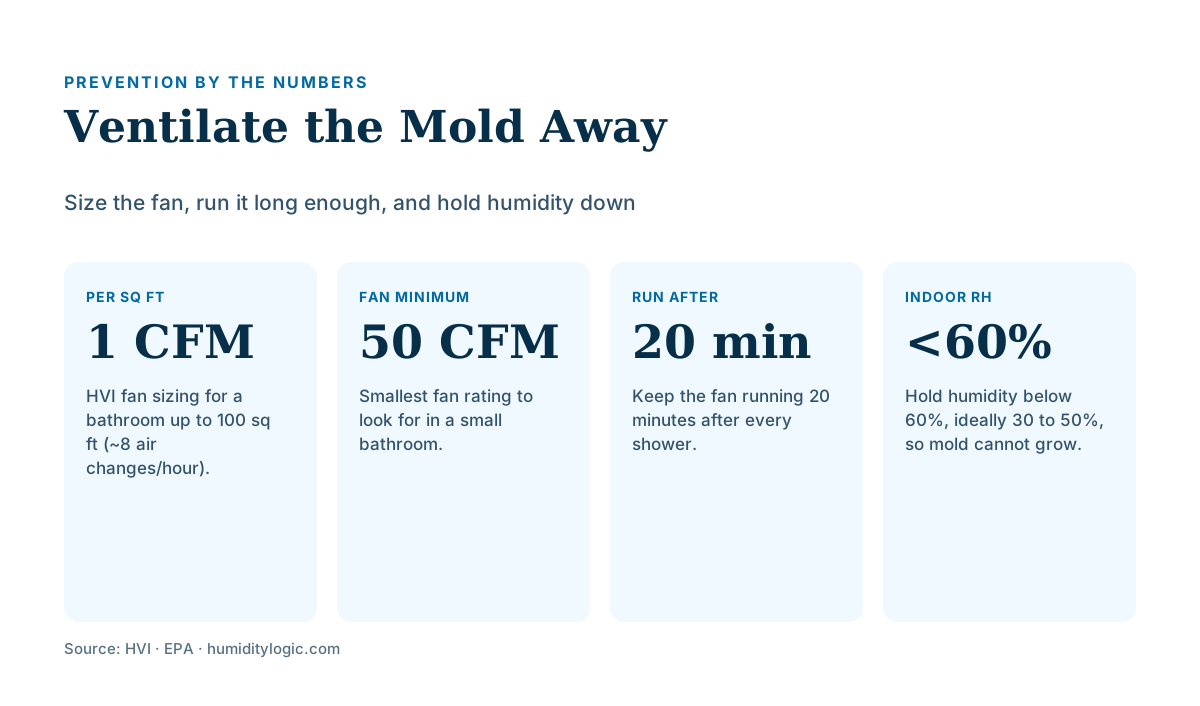
The Home Ventilating Institute sizes bathroom fans at 1 CFM per square foot for bathrooms up to 100 square feet, which works out to roughly eight air changes per hour. A 40-square-foot bathroom points to a 40 CFM fan, but HVI sets a 50 CFM minimum, so round up. Larger bathrooms over 100 square feet are sized by fixture instead — 50 CFM each for the toilet, shower, and tub, or 100 CFM for a jetted tub, added together. Whatever the fan’s rating, HVI recommends leaving it on for 20 minutes after you finish, because that is how long it takes to clear the moisture a hot shower dumps into the air.
Back up the fan with habits that keep water from lingering. Squeegee the walls and door after showering, spread out a wet shower curtain so it dries instead of holding damp folds, and fix any dripping showerhead or running fixture. If your bathroom has no window and no fan, or the mold keeps returning despite ventilation, a small unit sized for the space helps — see our bathroom dehumidifier guide and the broader playbook on dehumidifiers for mold for how to pick one.
Why Does Mold Keep Growing in My Shower?
Shower mold grows because the bathroom stays wet and humid long enough for spores — which are already in the air everywhere — to take hold. Fix the moisture and the mold has nothing to grow on.
Mold needs three things, and a bathroom hands it all of them: spores that drift in through every open door, organic residue like soap scum and body oil to feed on, and moisture. You cannot eliminate the first two, so moisture is the lever you control. Every shower raises the room’s humidity and coats cold tile, grout, and caulk in condensation, and if that water is still there hours later, mold gets its opening. The EPA’s guidance is direct: keep indoor relative humidity below 60%, ideally between 30% and 50%.
A $10 hygrometer tells you whether your bathroom actually clears after a shower or stays swampy for hours. If it reads above 60% long after you have dried off, your ventilation is not keeping up. Run your comfort target through the humidity comfort checker to see where you should sit, and if high humidity is a whole-house pattern rather than just the bathroom, our guide to lowering humidity in your house tracks down the hidden sources. Hold the humidity down and the scrubbing you did up top is the last time you will need to do it for a while.
Frequently asked questions
Does bleach actually kill shower mold?
Bleach kills surface mold and removes the stain, but the EPA does not recommend it as a routine cleanup step because dead mold can still trigger allergies and the fix is removal, not just killing. Detergent and water plus complete drying works on hard shower surfaces. If you do use bleach, dilute to no more than 1 cup per gallon of water and never mix it with ammonia.
How do I get black mold out of shower caulk that won't scrub off?
When mold has grown into silicone caulk it has penetrated a porous material and staining often stays even after scrubbing. Clean the surface, and if the discoloration remains, cut out the old caulk and re-caulk the joint. Fresh caulk with the seam kept dry is the reliable fix.
How much shower mold is safe to clean myself?
The EPA says most people can handle a moldy area smaller than about 10 square feet — roughly a 3-foot by 3-foot patch — themselves. Larger areas, mold from a flood or sewage backup, or mold inside walls should be handled by a professional.
What humidity level stops shower mold from growing?
Keep indoor relative humidity below 60%, and ideally between 30% and 50%. Mold needs moisture to grow, so holding humidity in that band removes the condition it depends on. A cheap hygrometer confirms where your bathroom actually sits.
How long should I run the bathroom fan after a shower?
The Home Ventilating Institute recommends leaving the fan on for 20 minutes after you use the bathroom. That clears the moisture the shower dumped into the air before it can settle on cold tile, grout, and caulk.
Sources & references
Every figure on this page is checked against these published sources. Last reviewed July 21, 2026.