A musty basement smell means microbial growth — mold and mildew feeding on damp surfaces and releasing gases called microbial volatile organic compounds (MVOCs). It is a moisture problem, not an odor problem. Find the water first: a simple foil test tells condensation from seepage. Then fix it cost-first — divert water, ventilate, and dehumidify below 55%.
What causes a musty smell in a basement?
A musty basement smell is the scent of mold and mildew growing on damp surfaces — the MVOC gases they give off, not the colonies themselves. Basements are prone to it because they sit below grade, stay cool, and rarely get fresh airflow, so moisture collects and lingers.
That moisture arrives four common ways. Seepage pushes groundwater and water vapor through porous concrete walls and floors, often after rain or when the ground outside stays wet. Condensation forms when warm, humid air meets cool basement surfaces — walls, floors, cold pipes — and drops below the dew point. Leaks and infiltration come through foundation cracks, failed window wells, or bad grading that pitches water toward the house. And stagnant humid air alone, with no ventilation, keeps porous materials like cardboard boxes, carpet, and drywall damp enough to grow mildew. All four share one root: relative humidity that has crept too high for too long.
Is a musty basement smell dangerous?
A musty smell is a warning sign worth acting on, not an emergency, but it should never be ignored. The odor tells you moisture is high enough to grow mold, and the EPA specifically flags a building that “smells moldy” with no visible source as a reason to look for hidden mold and fix the water behind it.
The smell itself is MVOCs, which many people find irritating, but the real reason to act is the dampness driving it. Left alone, chronic basement moisture spreads mold across framing, insulation, and stored belongings, and can damage the structure over time. Masking the odor with air fresheners or charcoal does nothing about the water, so the growth — and the smell — comes back. The fix is always to remove the moisture, then clean what grew.
How do you find the source of a musty basement smell?
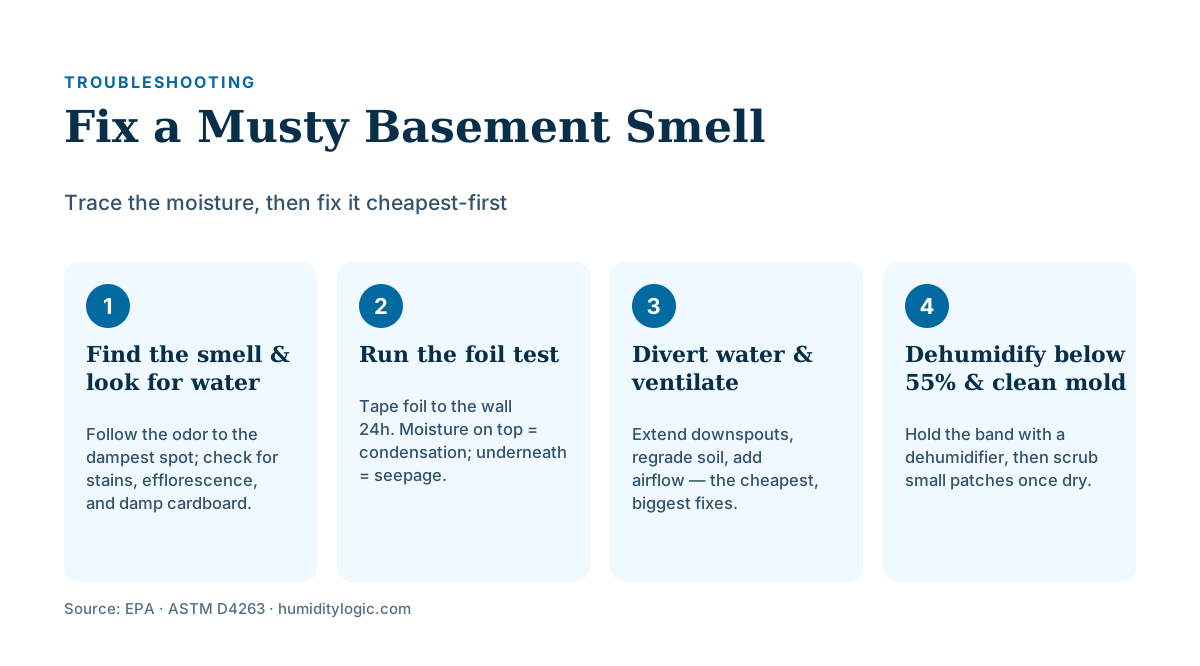
Work from your nose to the water: follow the smell to the dampest, stillest spot, then confirm what kind of moisture you are dealing with before you spend a dollar. Start with a walk-around, looking for water stains, peeling paint, a chalky white crust (efflorescence), rusted fasteners, or damp cardboard low on walls and floors — all signs water is getting in.
Then settle the key question — is the water coming through the concrete or out of the air? — with the foil test, the home version of the ASTM D4263 plastic sheet method. Tape a 12-to-18-inch square of aluminum foil or clear plastic tightly to a suspect wall or floor, sealing all four edges, and leave it 24 hours (the standard calls for at least 16). Then read it:
- Moisture on the room-facing side of the foil means condensation — humid basement air is hitting a cold surface. The fix is drying the air and warming or insulating the surface.
- Moisture trapped underneath, against the concrete, means seepage — water vapor is driving in through the slab or wall from the wet ground outside. A dehumidifier alone will not stop this; you have to manage the water outside.
Also check the simple culprits: a dry floor drain or sink P-trap lets sewer gas seep up and can read as musty, and it is fixed by pouring a cup of water down the drain to reseal the trap. If the whole basement reads damp and the foil shows seepage, you likely have a broader water issue worth reading up on in our wet basement guide.
How do you get rid of a musty basement smell?
Fix the water first, ventilate second, dehumidify third — in that order, cheapest to most involved. Chasing the smell with cleaners before the moisture is handled wastes effort, because the EPA is blunt: “If you clean up the mold, but don’t fix the water problem, then, most likely, the mold problem will come back.”
1. Divert the water (cheapest, biggest payoff). Most basement moisture starts outside. Clean and extend downspouts so they discharge at least a few feet from the foundation, and regrade soil so it slopes away from the house. These low-cost fixes address the seepage and infiltration a foil test reveals, and often cut the dampness dramatically before you buy any equipment.
2. Ventilate and dry. Move the stagnant air. Open windows on dry days, run a fan to break up dead pockets in corners and closets, and clear damp cardboard, old carpet, and clutter that hold moisture against the floor. Better airflow alone lowers humidity and speeds drying after you have stopped the water coming in.
3. Dehumidify to hold the band. Once water is diverted and air is moving, a dehumidifier keeps the room in range for good. This Old House recommends targeting roughly 50% so the space stays comfortable without feeding mold, which takes hold above 60%. Aim to hold basement humidity under 55%. Size the unit to the space and its dampness — our dehumidifier size calculator matches pint capacity to square footage — and see the room-by-room targets in our basement humidity guide. For a chronically damp basement, a purpose-built dehumidifier for mold runs continuously to a drain.
4. Clean what grew. Only after the surface is dry, scrub small mold patches on hard surfaces with detergent and water and dry them completely, per EPA guidance. Discard soaked porous items like carpet or ceiling tile that cannot be fully dried, and never paint or caulk over mold.
What humidity should a basement be to stop the smell?
Keep basement relative humidity below 60% at all times, ideally under 55%, and mildew loses the dampness it needs to grow. The EPA recommends indoor humidity below 60%, ideally 30–50%; a basement is best held toward the lower half of that band because its cool surfaces condense moisture easily.

A $10–$15 hygrometer is the tool that tells you whether you are winning. Place one in the dampest corner and watch it: readings above 60% mean the room is feeding the smell, while a steady number under 55% means your water and dehumidifier plan is holding. If the readings will not come down even with a dehumidifier running, water is still getting in — go back to diverting it. For a whole-house view of pulling numbers into range, see our guide to how to lower humidity in your house.
| Basement RH reading | What it means |
|---|---|
| Under 50% | Dry and safe — no mold or musty growth |
| 50–55% | Target band for a cool basement |
| 55–60% | Borderline — run the dehumidifier harder |
| Over 60% | Mold risk climbing; the smell will persist |
When should you call a professional for basement mold?
Call a professional when mold covers more than about 10 square feet or follows major water damage. The EPA advises that a patch under roughly 10 square feet — about a 3 ft by 3 ft area — can usually be cleaned yourself, but anything larger, or growth after flooding or sewage, calls for a remediation pro who can contain and remove it safely.
Bring in a specialist for the water source too when it is beyond a DIY fix — persistent seepage, a failing foundation, or drainage that needs interior weeping tile or a sump system. Diverting downspouts and regrading are homeowner jobs; structural waterproofing and standing groundwater are not. Getting the moisture professionally resolved is what keeps the musty smell from returning for good, no matter how thoroughly you clean.
Frequently asked questions
What causes a musty smell in a basement?
A musty basement smell comes from mold and mildew feeding on damp surfaces, which release gases called microbial volatile organic compounds (MVOCs). The odor is a symptom of excess moisture — from wall or floor seepage, condensation on cool surfaces, a leak, or humid air with no ventilation. Fixing the moisture, not masking the smell, is what makes it go away.
How do I find where a basement smell is coming from?
Follow the odor to the dampest, stillest spot, then run the foil test: tape a square of aluminum foil or plastic to the wall or floor for 24 hours. Moisture on the room-facing side means condensation from humid air; moisture trapped underneath against the concrete means seepage driving in through the slab. Each points to a different fix.
Does a dehumidifier get rid of musty basement smell?
Yes, once the water source is controlled. A dehumidifier held below 55% relative humidity removes the dampness that mold and mildew need to grow, which stops new MVOCs from forming. It will not fix active seepage or a leak on its own, so divert the water first, then let the dehumidifier hold the room in the safe band.
What humidity should a basement be to stop the smell?
Keep basement relative humidity below 60% at all times, and ideally target under 55%, per EPA guidance on mold and moisture. Mold risk climbs above 60% and dust mites thrive above 50%. A cheap hygrometer confirms where you stand; a dehumidifier sized to the space holds the band.
When should I call a professional for basement mold?
The EPA advises that if mold covers more than about 10 square feet (roughly a 3 ft by 3 ft patch), or follows major water damage or sewage, you should hire a professional rather than clean it yourself. Smaller patches on hard surfaces can be scrubbed with detergent and water, then dried completely.
Sources & references
Every figure on this page is checked against these published sources. Last reviewed July 23, 2026.
- EPA — A Brief Guide to Mold, Moisture and Your Home
- EPA — Mold Cleanup in Your Home
- This Old House — How to Get Rid of a Musty Smell in Your Basement
- ASTM D4263 — Standard Test Method for Indicating Moisture in Concrete by the Plastic Sheet Method
- Bob Vila — How to Get Rid of the Musty Smell in Your Basement