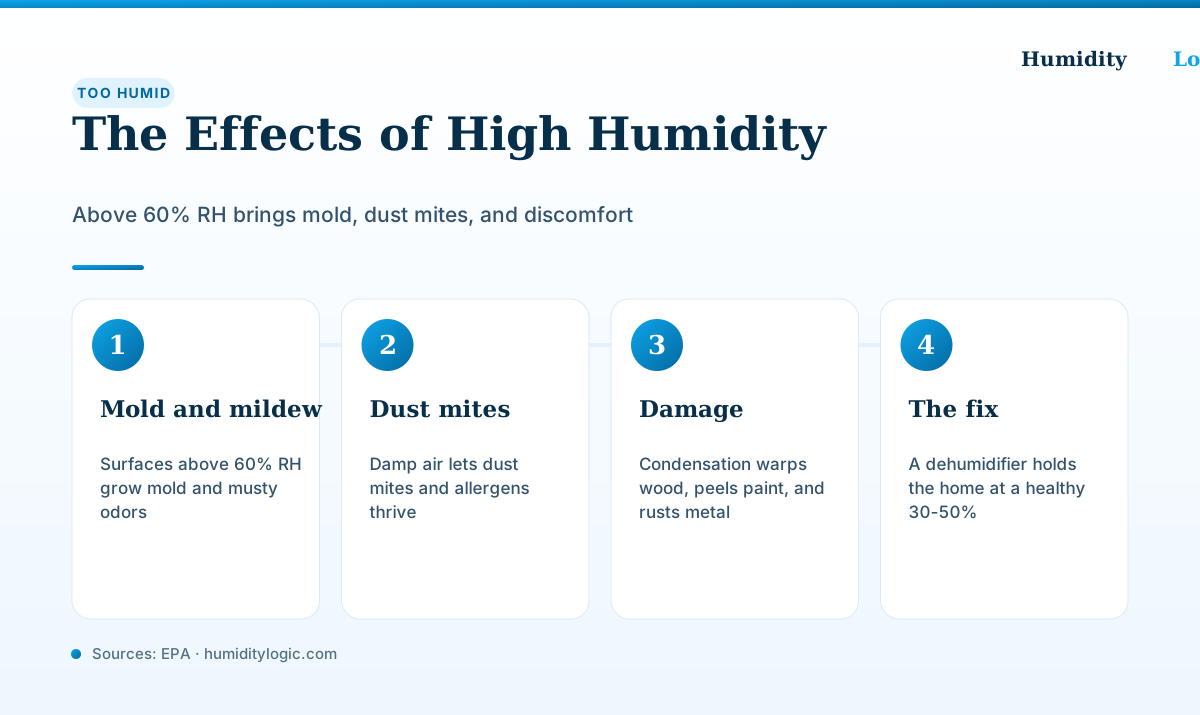
Sustained indoor humidity above 60% RH does real damage on several fronts at once: it drives mold and mildew, feeds dust mites and allergens, condenses into structural damage, and makes rooms feel hotter and stickier than the thermostat says. None of these are sudden — they build up as the air stays damp week after week. The EPA advises keeping indoor relative humidity below 60% and ideally in the 30-50% band, which is comfortable for people and hostile to nearly every one of these problems. Hold that range and the effects reverse; let the air sit above 60% and they compound.
What Does High Humidity Actually Do Indoors?
Water vapor is the shared ingredient behind most household problems, and high humidity simply hands each one the moisture it was waiting for. Mold spores float in every home’s air, dust mites live in every mattress, and wood is always ready to soak up moisture — but none of that becomes a problem until the air is wet enough to activate it. Below 50% RH those threats stay dormant. Push the air past 60% and keep it there, and they all wake up together.
Relative humidity is the number to watch indoors because home temperatures stay in a narrow band around 68-75°F, so the percentage means roughly the same thing year-round. (For a fuller breakdown of where the line sits, see what is considered high humidity.) The effects below are cumulative rather than instant: a short spike after a hot shower does no harm, but air held at 65% for weeks is what warps a floor and blackens a corner. That distinction matters, because it means the fix is about controlling the average moisture level, not chasing every temporary reading.
How Does High Humidity Cause Mold and Mildew?
Mold is the effect people notice first, and it is entirely a moisture story. According to the EPA, mold grows wherever moisture and a food source meet — and in a typical home the food (drywall paper, wood, dust, fabric) is everywhere. Moisture is the one variable you control, which is why the agency’s guiding principle is blunt: controlling indoor moisture controls the growth of indoor mold.
Above 60% RH, porous surfaces stay damp enough for spores to germinate, and a colony spreads quickly once it takes hold. The EPA warns that wet materials should be dried within 24 to 48 hours to prevent growth — a window that closes fast in a humid house where nothing fully dries. That is why the worst mold hides: behind bathroom tile, inside a stuffy closet, under basement carpet, or in the cold corner of an exterior wall. By the time a stain surfaces, the colony has usually been feeding for weeks.
Mildew is the early, surface stage of the same process — the flat gray or white film on grout and window sills that appears before true mold digs in. It is the visible warning that the air is too wet; our guide to mildew vs. mold explains how to tell them apart and why the fix for both is identical. A musty smell with no visible source is the other early tell: the EPA notes you should suspect hidden mold whenever a room smells moldy but the source is out of sight.
What Are the Health-Related Effects of High Humidity?
This is where care matters, because damp air does not diagnose anyone — but health authorities are clear that damp, moldy indoor spaces are linked to real respiratory effects. The EPA reports that molds produce allergens and irritants, and that inhaling or touching mold or spores can cause sneezing, a runny nose, red eyes, and skin rash in sensitive people, and can trigger asthma episodes in those who have asthma. Its plain advice is to keep moisture down, since moisture control is the key to mold control.
The second pathway is dust mites. These microscopic relatives of spiders live in bedding, upholstery, and carpet, and they pull moisture straight from the air rather than drinking it. The American Lung Association calls them one of the major indoor asthma triggers and notes that they thrive in warm, humid settings — which is exactly why it recommends keeping your home below 50% humidity, where mite populations cannot sustain themselves. None of this is a medical diagnosis, and persistent symptoms are a conversation for a doctor. But it explains why the healthy-humidity target doubles as an allergy-and-asthma measure. You can gauge your own risk with our mold risk calculator, which weighs your indoor humidity and temperature against the conditions mold needs.
Can High Humidity Damage Your House and Belongings?
Yes, and often more expensively than a mold cleanup. The most common structural effect is condensation: when humid indoor air meets a cold surface — a single-pane window, an uninsulated exterior wall, a cold-water pipe — the vapor turns to liquid water. Left alone, that moisture peels paint, stains drywall, rots window frames, and rusts metal fixtures, hinges, and tools. The EPA specifically recommends insulating cold surfaces like water pipes to stop condensation from forming in the first place.
Wood is the other casualty. Floorboards, doors, trim, and framing absorb ambient moisture and swell, which is why doors and drawers start sticking in a humid summer and gaps reopen in a dry winter. Sustained high humidity keeps hardwood slightly expanded year-round, leading to cupping and permanent warping. Beyond the structure, damp air leaves musty odors in closets and soft furnishings, spots leather and books with mildew, and can corrode electronics — a broad tax on everything the house holds.
Why Does High Humidity Feel So Uncomfortable?
Even before anything grows or warps, high humidity has an immediate effect: the house feels hotter and heavier than the thermostat reads. Your body sheds heat mainly by evaporating sweat, and evaporation slows sharply when the surrounding air is already loaded with moisture. In damp air the sweat clings to your skin instead of carrying heat away, so a 78°F room at 65% RH feels noticeably warmer and stickier than the same temperature at 45% RH.
That is why lowering humidity often makes a home feel cooler without touching the thermostat — and why a summer dehumidifier can take the edge off without cranking the air conditioning. The discomfort also shows up at night, where damp, warm air makes it harder to fall and stay asleep, and in a general clammy, stuffy feeling that lingers in poorly ventilated rooms. Comfort, in other words, is the first effect to appear and the first to improve once the air dries out.
How Do You Fix the Effects of High Humidity?
Control the moisture and the effects fade — mold stops spreading, mite numbers fall, wood settles, and rooms feel cooler. Start by matching the fix to the source. Run bathroom and kitchen exhaust fans during and after showering or cooking, vent your clothes dryer outdoors, and lean on air conditioning in summer, since it removes moisture as it cools. Our full walkthrough on how to lower humidity in the house covers each of these in order of payoff.
For a basement, crawl space, or whole home that reads high all season, a properly sized dehumidifier is the reliable fix — the dehumidifier sizing guide helps you match capacity to the space so it can actually keep up. Whatever tools you use, the target is the same: hold the air between 30% and 50% RH, the range detailed in our ideal indoor humidity levels guide. Confirm where your rooms actually sit with an inexpensive hygrometer, dry any wet materials within 24 to 48 hours, and the damp-air effects that took weeks to build will steadily unwind.
Frequently asked questions
What are the main effects of high humidity in a house?
Indoor humidity sustained above 60% RH feeds mold and mildew, lets dust-mite populations climb, produces musty odors, condenses on cold windows and walls, and swells and warps wood floors, doors, and trim. It also makes rooms feel warmer and stickier than the thermostat reads, because sweat evaporates poorly in damp air. The EPA recommends keeping indoor relative humidity below 60%, ideally between 30% and 50%.
At what humidity level do the problems start?
Most homes stay healthy below 50% RH and start running into trouble once the air sits at 60% or higher for extended periods. That is the threshold where porous surfaces stay damp enough for mold to grow and where dust mites thrive. The effects are cumulative, not instant: a brief spike after a shower is harmless, but air parked above 60% for weeks is what rots a window frame or blackens a closet corner.
Why does high humidity make a room feel hotter?
Your body cools itself by evaporating sweat, and evaporation slows down when the surrounding air is already saturated with moisture. In humid air the sweat lingers on your skin instead of carrying heat away, so a 78°F room at 65% RH feels noticeably warmer and clammier than the same temperature at 45% RH. This is why lowering humidity often makes a home feel cooler without touching the thermostat.
Can high humidity damage furniture and the house itself?
Yes. Wood floors, doors, trim, and framing absorb moisture from damp air and swell, which causes sticking doors, cupped hardwood, and permanent warping over time. Condensation on cold surfaces peels paint, stains drywall, and rusts metal fixtures and tools, while musty odors soak into closets and soft furnishings. Electronics, books, and leather can also grow surface mildew in a persistently damp room.
How do I reverse the effects of high humidity?
Control the moisture and most effects fade. Run bathroom and kitchen exhaust fans, vent your dryer outdoors, and use air conditioning in summer since it dries the air as it cools. For a basement, crawl space, or whole home that reads high all season, a properly sized dehumidifier is the reliable fix. Aim for 30% to 50% RH, dry any wet materials within 24 to 48 hours, and confirm the level with an inexpensive hygrometer.
Sources & references
Every figure on this page is checked against these published sources. Last reviewed August 6, 2026.