A persistent damp or musty smell in a bedroom means excess moisture and likely early mildew growing on a surface or a soft material. The fix is not an air freshener. You need to find the moisture source, ventilate the room, and hold the air at a relative humidity of 30 to 50 percent so mildew cannot keep growing. The US EPA puts it plainly: you may suspect mold, even if you cannot see it, when a room smells musty. That odor is your signal to act.
What causes a damp smell in a bedroom?
The smell itself comes from microbial growth. When mildew and mold colonize a damp surface, they release the musty, earthy compounds your nose picks up. So the real question is not “what is the smell” but “where is the water coming from.” A bedroom usually has one of a handful of moisture sources.
Condensation on windows and cold walls. In cold months, warm humid indoor air hits cold glass and cold exterior walls and turns to liquid water. You can often see it as fog or droplets on the window in the morning. The EPA lists three ways to stop condensation: reduce the humidity, increase air circulation, and raise the temperature of the cold surface. If you want to understand when this crosses the line, our guide to what is considered high humidity explains the thresholds.
A cold exterior wall behind furniture. A headboard, dresser, or stack of boxes pushed flat against an outside wall blocks airflow. The wall surface behind it stays cold, condensation forms, and mildew grows in the dark, still gap where you never look. Pulling furniture a few inches off exterior walls is one of the simplest fixes there is.
A hidden leak. A roof leak above the ceiling, a plumbing line in the wall, or water wicking up from a slab can keep drywall and carpet quietly damp. If the smell is strongest in one corner or near one wall, look for staining, bubbling paint, or a soft spot.
Damp laundry, carpet, and soft goods. Wet towels on the floor, laundry drying on a rack, a rug that got wet, or a mattress against a cold wall all hold moisture. Soft, porous materials soak up humidity from the air and hold the odor long after the air has dried out.
Is the damp smell mold or just humidity?
It is worth being precise, because the answer changes what you do next. Humid air on its own does not smell musty. The musty smell specifically comes from mildew and mold that have started to grow on a damp surface. In other words, if you can smell it, moisture has already been sitting somewhere long enough for growth to begin.
Mildew is the early, surface-level stage, and it is what you are usually smelling first. Mold is the more established, often deeper growth. Our explainer on mildew versus mold breaks down the difference, and what does mold smell like describes the exact odor so you can tell it apart from other household smells. The practical takeaway is the same for both: find the water, remove it, and clean the surface.
How do I find the source of the moisture?
Start with your senses and one cheap tool. A hygrometer (humidity meter) tells you whether the whole room is too humid or whether the problem is one localized wet spot.
- Check the windows first thing in the morning. Condensation and water pooled on the sill point to too much indoor humidity and poor ventilation.
- Feel the exterior walls, especially behind furniture. A wall that is cold and slightly damp to the touch, or that has dark spotting near the floor, is a classic hidden source.
- Look for stains and soft spots on the ceiling and lower walls, which suggest a leak from above or within.
- Lift rugs and check under and behind the bed. Trapped moisture under a rug or a mattress against a cold wall is easy to miss.
- Follow your nose. The spot where the smell is strongest is usually within a few feet of the source.
If your hygrometer reads above 50 percent, whole-room humidity is at least part of the problem. You can plug your numbers into our humidity comfort checker to see where your bedroom sits relative to the healthy range and what to target.
How do I get rid of the damp smell for good?
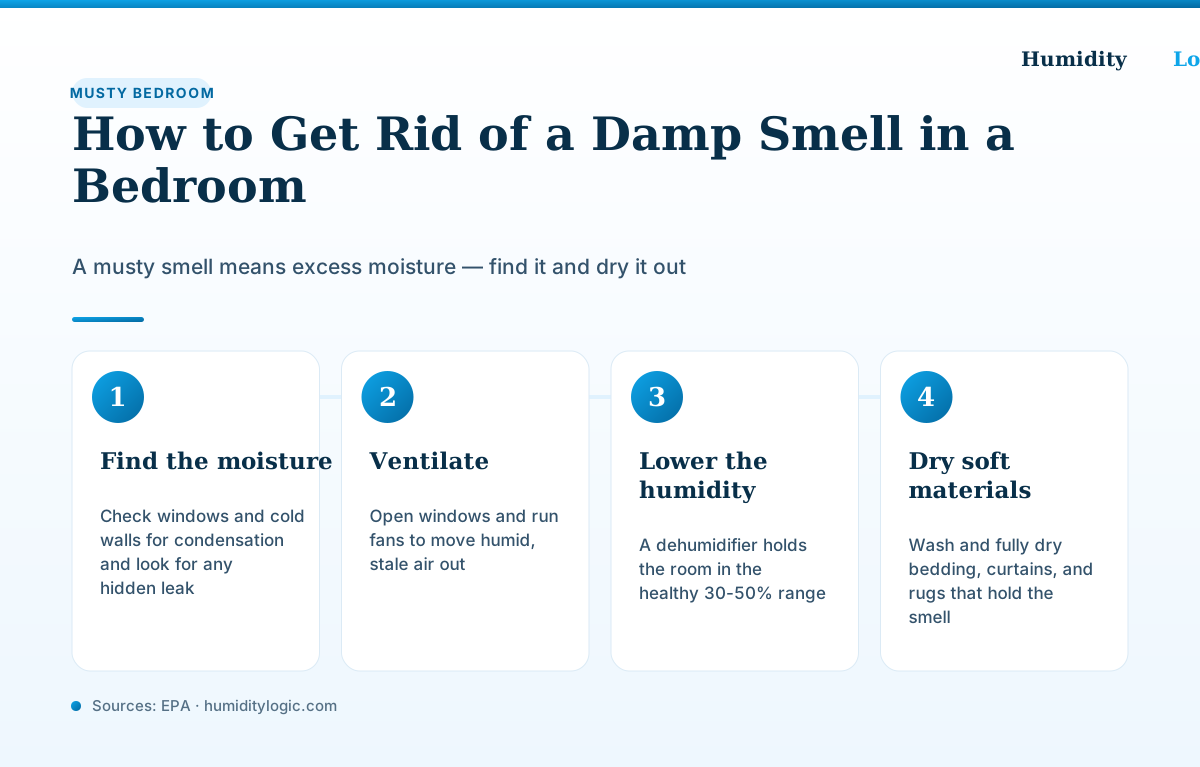
Follow the moisture out of the room in four steps. The order matters, because drying soft goods before you have fixed the source just re-wets them.
1. Find and stop the moisture. Fix the leak, wipe down the condensation, and pull furniture off cold exterior walls. The EPA is direct about this in its cleanup guidance: fix plumbing leaks and other water problems as soon as possible, because moisture control is the whole game. If you skip this step, the smell always comes back.
2. Ventilate. Open windows when the outdoor air is drier, and run a fan to move the humid, stale air out and fresh air in. Circulation also warms cold surfaces slightly, which reduces condensation.
3. Lower the humidity to 30 to 50 percent. This is where a dehumidifier earns its place. Set it to hold the room in the healthy range and it removes the ambient moisture that keeps everything slightly damp. Our guide to a bedroom dehumidifier covers sizing, overnight noise, and where to place the unit. For the broader why, see ideal indoor humidity levels.
4. Clean and fully dry the soft materials. Bedding, curtains, rugs, and upholstery hold the odor. Wash what you can and dry it completely. The EPA notes that materials dried within 24 to 48 hours usually will not grow mold, so speed matters. Towels and fabrics that already smell musty may need a stronger treatment; our steps for removing a mildew smell from towels work on other soft goods too. Scrub any visible mildew off hard surfaces like sills and trim with detergent and water, then dry.
Why doesn’t air freshener fix it?
Because air freshener treats the smell, not the cause. The musty odor is a byproduct of living mildew feeding on moisture. Spraying a scent over it adds a competing smell for a few hours, but the moisture is still there, the mildew keeps growing, and the odor returns stronger. Plug-ins and scented candles have the same problem. They can even make it harder to notice that the wet spot is spreading, because you have masked your best early-warning system.
The lasting solution is unglamorous but reliable: remove the water, clean the surface, dry the soft materials, and keep the room’s humidity in the 30 to 50 percent range. Do that and the smell has nothing left to grow on.
When should I call a professional?
Handle small areas yourself. The EPA’s basic cleanup steps are suitable for limited surface mildew. Call a professional when the moldy area is large, when you suspect a hidden leak inside a wall or ceiling that you cannot reach, when carpet or drywall has been soaked, or when the smell keeps returning after you have dried and cleaned. A recurring musty smell almost always means there is still a moisture source you have not found yet.
Frequently asked questions
What does a damp smell in a bedroom mean?
It almost always means excess moisture and early mildew growth on a surface or soft material. The EPA notes you may suspect mold even when you cannot see it if a room smells musty, so treat the odor as a signal to find and dry the moisture source rather than something to cover up.
Will an air freshener get rid of a musty bedroom smell?
No. Air freshener only masks the odor for a few hours while the mildew and the moisture feeding it keep growing. The smell returns because the source is still wet. The only lasting fix is to remove the moisture, clean the affected material, and dry everything fully.
What humidity should a bedroom be to stop the damp smell?
The EPA recommends keeping indoor relative humidity below 60 percent, ideally between 30 and 50 percent. Holding a bedroom in the 30 to 50 percent range removes the moisture that mildew needs, which is why a hygrometer and a dehumidifier are the two tools that make the biggest difference.
Why does my bedroom smell damp only in winter?
In cold weather, warm indoor air meets cold windows and exterior walls and condenses into liquid water. That hidden moisture on the glass, sills, and wall behind furniture feeds mildew, which produces the musty smell. Better ventilation, moving furniture off cold walls, and lower humidity all help.
Can a damp smell in the bedroom make me sick?
This article does not offer medical advice, but the EPA links indoor dampness and mold to poor indoor air quality. If the smell is strong or persistent, the practical step is to find the moisture source, dry it within 24 to 48 hours, and keep humidity in the healthy range.
Sources & references
Every figure on this page is checked against these published sources. Last reviewed August 3, 2026.