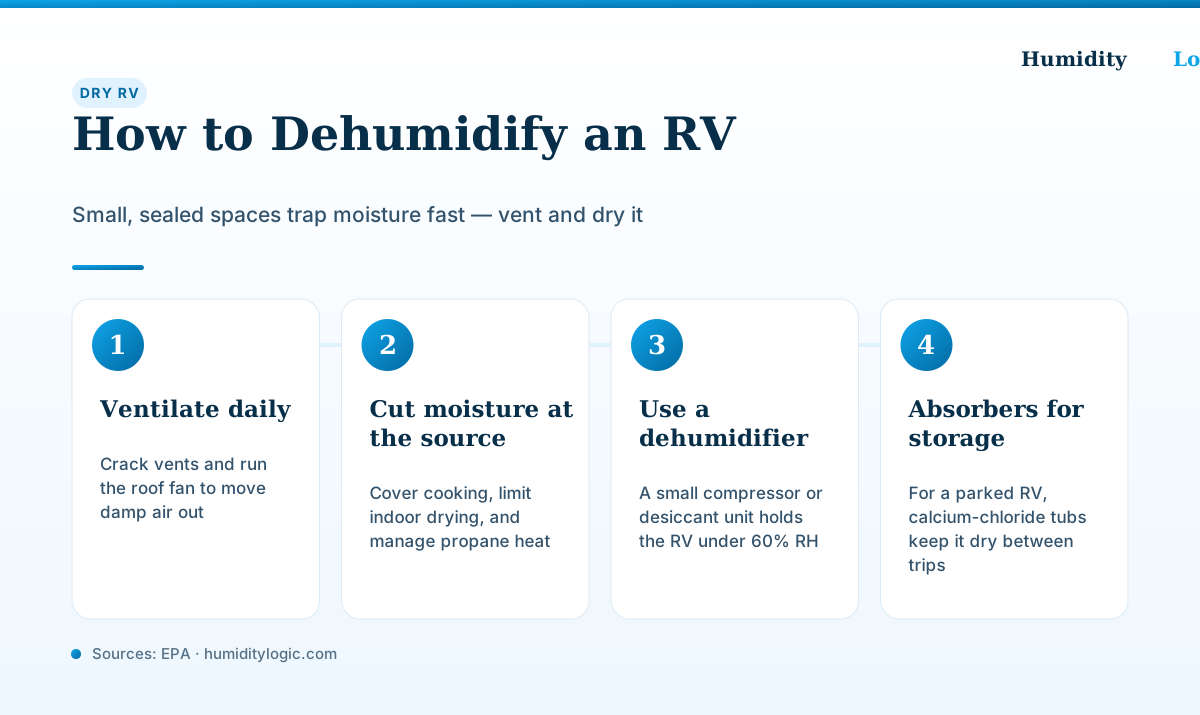
An RV is a small metal box that traps moisture a house never has to deal with, and the fix is a routine, not a single gadget. Dehumidify an RV by ventilating daily, cutting moisture at the source, and running a compact dehumidifier to hold the cabin under 60% relative humidity. Do those together and you stop the window condensation, the musty lockers, and the mold that thin, cold walls invite once the air gets damp.
Why does an RV get so humid?
Because it is a tightly sealed space with almost no room to spread moisture out. A camper is a fraction of a home’s volume, wrapped in thin walls and single-pane glass that stay cold. Every ordinary thing you do inside adds water vapor to that small pocket of air: breathing overnight, boiling pasta, taking a shower, even a pot of coffee. Two people asleep in a closed rig can push the humidity up noticeably by morning.
Heat makes it worse in winter. An unvented propane furnace or a portable catalytic heater releases water vapor as it burns, so the very appliance keeping you warm is also wetting the air. The EPA notes that unvented combustion appliances are a moisture source and should be vented outside where possible.
Then that damp air meets the coldest surfaces in the rig — the windows, the metal frames, the exterior walls. As the EPA puts it, “when warm, humid air contacts a cold surface, condensation may form.” That film of water on the glass and in the lockers is what feeds mold and rot. If you want the wider context on where the danger line sits, see what is considered high humidity.
What humidity should you keep an RV at?
Below 60%, and ideally between 30% and 50%. The EPA recommends keeping any indoor space “below 60 percent (ideally between 30 and 50 percent) relative humidity” to prevent mold. Sixty percent is the ceiling you never want to cross; the 30–50% band is the target that keeps both mold and condensation at bay.
That guidance is stricter in practice for an RV than for a house, because the cold single-pane glass condenses moisture at a lower humidity than a well-insulated wall would. In hard winter, don’t chase the top of the range — 30% to 40% is a realistic goal that keeps the windows from streaming without over-drying the cabin. A cheap hygrometer, placed away from the dehumidifier’s own optimistic sensor, is the honest referee.
How do you ventilate an RV to cut moisture?
Move the damp air out before it settles, every day. Ventilation is the cheapest and most effective control you have, because it swaps humid inside air for drier outside air. The EPA’s own advice for controlling indoor moisture is to “increase ventilation or air movement by opening doors and/or windows, when practical” and to run exhaust fans while cooking and showering.
In an RV that translates to a few habits:
- Run the roof vent fan. A powered roof vent (a Fantastic Fan or similar) is the strongest air mover in the rig. Run it during and after cooking and showering to push the wettest air straight out.
- Crack a vent or window overnight. A small opening at each end creates cross-flow that carries away the moisture you breathe out while you sleep. Even a half-inch gap makes a real difference.
- Open interior doors and lockers. Air has to reach closed cabinets and wardrobes — the exact dead-air spots where mold starts. Prop them open when you run a fan or dehumidifier.
- Ventilate while you cook and shower. RVshare points to shower steam and stovetop cooking as two of the biggest single moisture events in a camper, so open a vent before you start, not after the mirror fogs.
How do you cut moisture at the source?
Stop the water from entering the air in the first place, which is easier than removing it later. A few targeted changes cut the daily moisture load hard:
- Cover pots and cook smart. A lid keeps most of the steam in the pot. RVshare suggests swapping open stovetop boiling for an electric kettle, Instant Pot, or the oven, all of which release far less vapor into the cabin.
- Shorten showers or use the bathhouse. Shower steam is a major source; a quick shower with the vent running, or a trip to the campground bathhouse, keeps that water out of your walls entirely.
- Never dry clothes inside. A drying rack of wet laundry dumps its entire water content into the air. Use a campground laundry or dry outside on a line.
- Manage propane heat. Because unvented propane and catalytic heaters add combustion moisture, switch to an electric space heater when you have shore power, and make sure your furnace is venting properly.
- Wipe up condensation fast. If water collects on the windows or walls, dry it within a day — the EPA’s rule is to act within 24 to 48 hours before mold takes hold.
What kind of dehumidifier should you run in an RV?
Once you have vented and cut the source, a compact dehumidifier holds the last stretch of humidity down to target. Which type you want depends on your power and your temperature — this is the one decision people get wrong.
A compressor (refrigerant) dehumidifier condenses water on a cold coil. It pulls the most water per watt in warm, humid weather, which makes it the value pick when you are parked on full shore power in summer. But it frosts over and quietly stalls below about 65°F, so it is a poor choice for a cold camper.
A desiccant dehumidifier absorbs moisture into a drying wheel with no cold coil to freeze, so it keeps working near freezing — the right tool for cold-weather or winter use, and Camping World rates it as the quieter, more temperature-flexible option even though it draws more power.
Size it for a small damp box, not a warm living room. A 30-by-9-foot rig is only about 270 square feet, so a 20-pint compressor or a compact desiccant unit covers it easily — our sizing guide walks through the math, and you can plug your interior dimensions into the dehumidifier size calculator to confirm. Set a humidistat, or a $10–15 hygrometer plus manual on/off, to hold 50% RH or below. For the full technology teardown, see our companion guide on choosing an RV dehumidifier by power and temperature.
Do moisture absorbers help when the RV is in storage?
Yes — passive absorbers are the right tool for a parked or stored rig, where there is no one aboard to run fans and no shore power to spare. Disposable calcium-chloride tubs (DampRid and similar) and renewable silica-gel canisters both pull moisture out of the air with no electricity, so they quietly protect a closed cabin, lockers, and closets between trips.
The catch is throughput: absorbers remove ounces slowly over days and weeks, which suits an empty rig but cannot keep up with two people cooking and breathing aboard in damp weather. That heavier load needs an active dehumidifier moving real airflow — the difference is exactly the one covered in dehumidifier vs moisture absorber. The smart storage setup uses both ideas: tuck passive absorbers into the dead-air cabinets an air stream never reaches, and run an active unit whenever you are living aboard. Empty a full calcium-chloride tub carefully; the collected brine is corrosive and should not spill on surfaces or skin.
The bottom line
Treat an RV as a small, sealed box that fills with moisture fast, and dry it with a routine rather than one purchase. Vent every day, cut the steam from cooking, showering, and drying, and run a compact dehumidifier — a compressor when it is warm, a desiccant when it is cold — to hold the cabin between 30% and 50% RH. Back that up with passive absorbers in the lockers and in storage, and you keep the rig dry, the windows clear, and the mold out through the dampest, coldest season.
Frequently asked questions
How do I dehumidify my RV?
Work three moves together: ventilate daily by cracking a roof vent and running the fan, cut moisture at the source by covering pots while cooking and not drying clothes inside, and run a compact dehumidifier to hold the cabin under 60% relative humidity. In a parked or stored RV, add passive calcium-chloride absorbers in closed lockers.
Why is my RV so humid inside?
An RV is a small, tightly sealed box with thin walls and cold single-pane glass, so everyday moisture builds up fast. Breathing, cooking, and showering release water vapor, and an unvented propane furnace or catalytic heater adds more as it burns. With little air exchange, that moisture has nowhere to go and condenses on the coldest surfaces.
What humidity should I keep my RV at?
Keep it below 60% relative humidity, and aim for 30 to 50%. The EPA recommends that band for any indoor space to limit mold, and it matters more in an RV because thin, cold walls sweat sooner than a house does. In hard winter, 30 to 40% is realistic without over-drying.
Will a dehumidifier work in a cold RV?
A desiccant dehumidifier will, because it absorbs moisture into a drying wheel instead of a cold coil, so it keeps working near freezing. A standard compressor unit frosts over and largely stops extracting below about 65°F, so it is the wrong tool for an unheated camper in cold weather.
Do moisture absorbers like DampRid work in an RV?
Yes, for small, closed, low-traffic spaces such as a locker, wardrobe, or a rig sitting in storage. They pull ounces of moisture passively with no power. They cannot keep up with two people living aboard in humid or cold weather, which needs an active dehumidifier moving real airflow.
Sources & references
Every figure on this page is checked against these published sources. Last reviewed August 5, 2026.