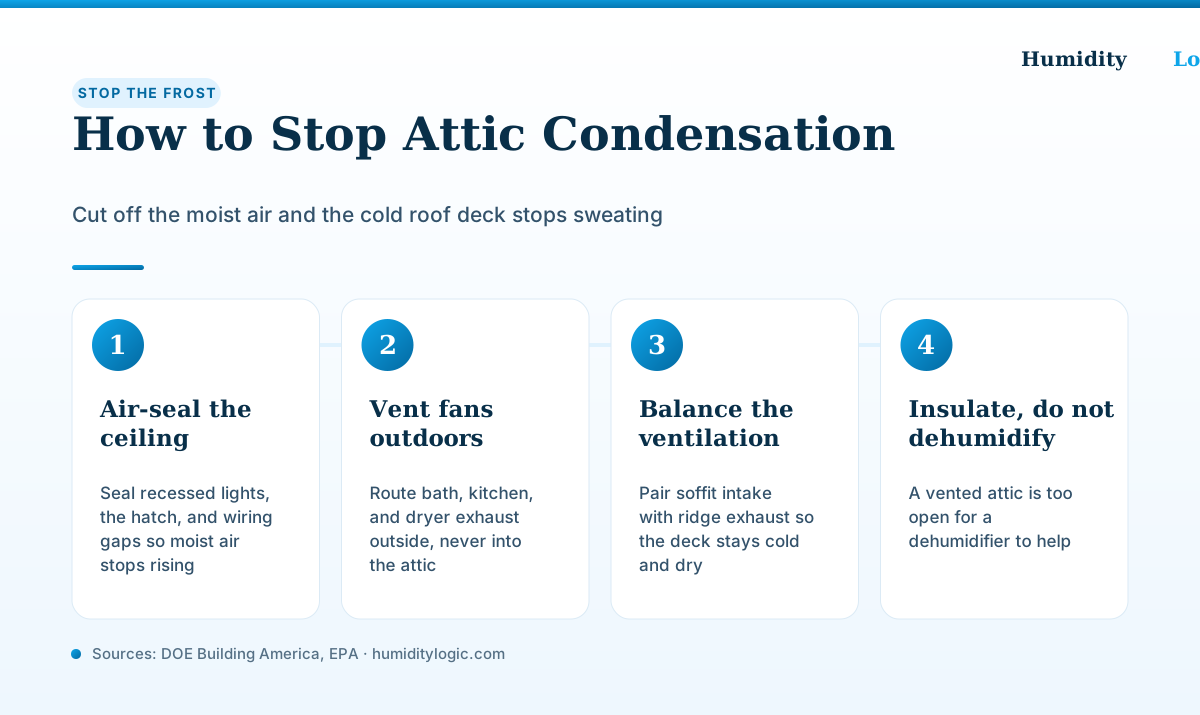
Attic condensation and frost form when warm, moist indoor air leaks up through the ceiling and touches the cold roof deck, chilling below its dew point so the water vapor condenses out onto the sheathing. The fix is almost never a dehumidifier. According to the DOE Building America Solution Center, the durable solution is to air-seal the ceiling plane, vent bath, kitchen, and dryer exhaust outdoors, and balance attic ventilation so the deck stays cold and dry. A standard vented attic is wide open to outdoor air, so trying to dehumidify it is like running a dehumidifier on the porch.
What Actually Causes Attic Condensation?
Condensation in an attic is the same physics behind fog on a cold window, just hidden above your ceiling. The Building America Solution Center describes four conditions that have to line up for it to happen: surfaces cold enough to fall below the dew point, a pressure difference pushing indoor air upward, humid air inside the house, and not enough ventilation to carry the moisture away.
In winter the roof deck is the coldest surface in the building — often at or below freezing on the underside of the sheathing. Meanwhile the living space below is warm and full of moisture from showers, cooking, laundry, houseplants, and simply breathing. Warm air rises and is under slightly higher pressure than the cold attic, so it hunts for every gap in the ceiling and leaks upward. When that humid air hits the frozen sheathing, the vapor condenses as water or deposits directly as frost.
That is the whole mechanism, and it explains the classic misdiagnosis: homeowners see drips and water stains after a cold snap, assume the roof is leaking, and call a roofer. But the roof is fine. The “leak” is frost that built up on the sheathing overnight and melted when the sun warmed the attic. If you are fuzzy on why a surface temperature below the dew point forces water out of the air, our explainer on dew point vs. humidity walks through the number that predicts it.
Why Is a Dehumidifier the Wrong Fix?
A dehumidifier is the instinctive answer to any moisture problem, but in a vented attic it fights a losing battle. A code-compliant attic is deliberately connected to the outdoors through soffit and ridge vents so it can dry out — that same ventilation means a portable dehumidifier is endlessly trying to dry the outdoor air streaming through the space. It will run constantly, freeze up in cold weather, and never win.
The moisture is not native to the attic; it is being manufactured downstairs and delivered upward through ceiling leaks. So the effective move is to intercept it at the source rather than chase it after it has already reached the cold deck. Spending money on a dehumidifier here treats the symptom and skips the cause. (In a sealed, conditioned attic — a different construction type — humidity control matters, but that is not the vented attic most homes have.) The same source-first logic applies throughout the house; see our room-by-room guide to lowering humidity in your home.
How Do You Air-Seal the Ceiling Plane?
Air-sealing is the single highest-value fix, because it removes the pressure-driven leakage that carries moisture upward. The Building America guide to attic air sealing lists the usual suspects — the gaps where warm house air escapes into the attic:
- Recessed “can” light fixtures (use airtight, IC-rated units or sealed covers)
- Gaps around electrical wiring, plumbing stacks, and exhaust-fan housings
- Furnace flues and chimney chases (seal with high-temperature materials)
- The attic hatch or pull-down stairs — a large, frequently overlooked opening
- Top plates of interior walls, dropped soffits, and ceiling drywall seams
ENERGY STAR recommends sealing these openings with caulk or expanding foam and air-sealing the attic before adding insulation, since you want the air barrier continuous and accessible before you bury it. One safety note straight from EPA: tightening a house can trap indoor pollutants like carbon monoxide and radon, so make sure combustion appliances vent properly and living-space ventilation is adequate after you seal.
Where Should Bath, Kitchen, and Dryer Fans Vent?
Outdoors — always, and never into the attic. A bathroom fan or dryer that dumps into the attic is a moisture firehose aimed directly at the cold roof deck, and it will overwhelm any amount of ceiling air-sealing. ENERGY STAR is explicit that kitchen, bathroom, and clothes-dryer vents carrying moist air should go directly outdoors rather than into the attic space, and calls this a condition to fix before adding insulation.
Walk your attic with a flashlight and trace every exhaust duct. If one ends in the middle of the attic, terminates at a soffit, or has fallen off its roof cap, that is very likely your primary moisture source. Reconnect it to a dedicated roof or wall cap with a damper, and seal the boot where it passes through the ceiling. This one correction resolves a large share of attic condensation complaints on its own.
How Does Balanced Ventilation Keep the Deck Dry?
Once the ceiling is sealed and fans are routed outside, ventilation handles whatever trace moisture still gets through. The goal is a steady wash of outdoor air along the underside of the roof deck, which keeps the sheathing cold, dry, and close to outdoor conditions. That means pairing low intake at the soffits with high exhaust at the ridge so air enters at the eaves and exits at the peak.
Two details make it work. First, install baffles (insulation dams) at the eaves so blown-in insulation cannot block the soffit vents, and maintain at least a 2-inch air gap between the top of the insulation and the roof deck for airflow. Second, size the vents adequately. Codes generally require 1 square foot of net free vent area per 150 to 300 square feet of attic floor, and the Building America Solution Center notes cold climates benefit from the stricter 1:150 ratio. Balance matters more than raw quantity: a roof that is all ridge vent and no soffit intake can actually pull conditioned air up out of the house, making condensation worse.
While you are up there, insulate to full depth. Deeper insulation keeps the ceiling drywall warmer and the house more comfortable, and it reduces the heat that would otherwise melt rooftop snow unevenly and cause ice dams — a close cousin of the same air-leakage problem.
What Are the Warning Signs, and When Is It Serious?
Catch attic condensation early and it is a cheap weekend fix; ignore it and it rots your roof. Climb up on a cold morning (or right after a warm spell that follows a freeze) and look for these signals:
| What you see | What it means |
|---|---|
| Frost or ice on the underside of the sheathing | Humid air is reaching a below-freezing deck; air-seal the ceiling |
| Water stains or dark rings on the plywood/OSB | Repeated wet-dry cycles; the deck is beginning to degrade |
| Damp, matted, or compressed insulation | Moisture has soaked through; insulation R-value is falling |
| Rusty nail tips poking through the deck | Classic sign of chronic condensation freezing and thawing |
| Musty smell or visible mold on framing | Long-standing moisture; address urgently before rot spreads |
Occasional light frost that clears fast in a cold climate is normal. Persistent wetness, dripping, blackened sheathing, or mold means the moisture load has been high for a while — and if it is condensing on the roof deck, it is probably condensing inside wall cavities too. That is the same warning our guides to condensation on walls and attic humidity describe from the living-space side.
To sanity-check whether tonight’s conditions favor condensation, run your indoor temperature and humidity plus the outdoor low through our condensation risk calculator. It tells you whether nearby cold surfaces are likely sitting below your air’s dew point — the same threshold the roof deck is crossing when it frosts over. Keep heating-season indoor humidity in the 30–50% range, seal the ceiling, vent the fans outside, and balance the airflow, and the roof deck stays dry all winter without a dehumidifier ever entering the picture.
Frequently asked questions
Will a dehumidifier stop attic condensation?
Usually not, and it is the wrong fix for a standard vented attic. A vented attic is open to the outdoors through soffit and ridge vents, so a portable dehumidifier is just trying to dry the outside air pouring through it. The real cure is to stop warm, moist house air from leaking up into the attic in the first place by air-sealing the ceiling plane.
Why is there frost on the underside of my roof sheathing?
Frost forms when humid indoor air leaks into the attic and hits roof sheathing that has dropped below freezing. The water vapor deposits directly as frost instead of dew. When the attic warms on a sunny day, that frost melts and drips onto the insulation and ceiling below, which is why people often mistake it for a roof leak.
What indoor humidity prevents attic condensation?
The DOE Building America program advises keeping indoor relative humidity between 30% and 50% during the heating season, and toward the lower end in cold climates. Lower indoor humidity means less moisture available to leak upward, but air-sealing the ceiling matters more than the humidity number alone.
Can I just add more attic vents to fix condensation?
Adding vents helps only if intake and exhaust are balanced and the ceiling below is air-sealed. Ventilation removes moisture that gets past the air barrier, but it cannot keep up with a leaky ceiling pumping warm, humid air into the attic all winter. Air-seal first, then balance soffit intake with ridge exhaust.
Is a little attic condensation normal, or a real problem?
A trace of frost on the coldest nights that dries quickly is common in cold climates. Persistent wetness, dripping, stained sheathing, or matted insulation signals a chronic air-leakage problem that will rot the roof deck and grow mold over time. Track down the leaks and exhaust routing before the damage sets in.
Sources & references
Every figure on this page is checked against these published sources. Last reviewed July 28, 2026.