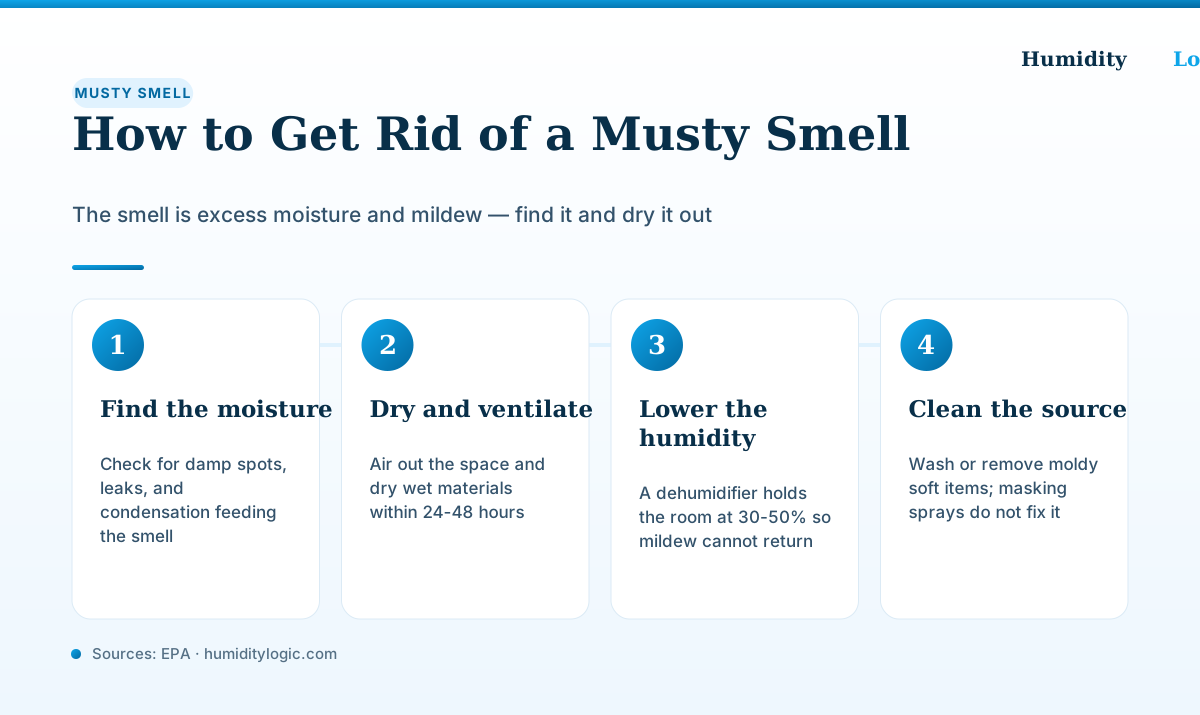
A musty smell means excess moisture and mildew — mold and mildew feeding on something damp and giving off gases as they grow. It is a moisture problem wearing the disguise of an odor problem, so masking sprays and candles do nothing lasting. To get rid of it for good you have to find the source of the moisture, dry it out, ventilate, and hold indoor humidity at 30-50% — then clean or toss whatever grew.
What does a musty smell actually mean?
That damp, stale, basement-like odor is the smell of active mold and mildew — specifically the gases these microbes release as they digest damp materials. Where you can smell mildew, moisture has been high enough, for long enough, to let it grow. The smell is the alarm, not the fire.
This matters because it changes how you treat it. The EPA states plainly that “the key to mold control is moisture control,” and it flags a building that “smells moldy” with no visible source as a reason to hunt for hidden mold and fix the water behind it. An air freshener sprayed over a musty room just adds a second scent on top of the first. The mildew is still fed, the moisture is still there, and within hours the musty note pushes back through. Every step below works because it removes water, not odor.
How do I find the source of the moisture?
Follow your nose to the dampest, stillest spot, then look for where water is getting in or building up. The usual culprits fall into four buckets:
- Leaks and seepage — a slow drip under a sink, a roof or window leak, or groundwater wicking through basement concrete. The EPA’s first moisture-control step is to fix leaks and seepage, because a running water source will outpace any dehumidifier.
- Condensation — humid air hitting cold surfaces: windows, exterior walls, cold-water pipes, or the toilet tank. You will see beads of water or chronic damp patches that have nothing to do with a leak.
- Poor ventilation — bathrooms, laundry rooms, and interior closets that trap shower steam, drying-laundry moisture, and stagnant air with nowhere to go.
- Damp soft materials — carpet, cardboard boxes, upholstery, and stored fabrics that soaked up moisture and now hold it, becoming the smell’s home base.
Check the low, dark, and enclosed places first: under sinks, behind furniture pushed against exterior walls, inside closets, and beneath wall-to-wall carpet. If the smell is strongest in one bedroom, our guide to a damp smell in the bedroom walks through the room-specific causes. And if you are unsure whether you are smelling active mold or plain mildew, what mold actually smells like helps you name what your nose is picking up.
How do I dry it out and ventilate?
Once you have found the wet spot, dry it fast. Wet or damp materials need to be dried within 24 to 48 hours — the CDC’s mold guidance is to “dry your home and everything in it as quickly as possible, within 24 to 48 hours if you can,” because that is the window before mold takes hold on a damp surface. Pull back wet carpet, move damp boxes out, and aim fans at the area to move air across it.
Ventilation is the other half. Open windows when the outside air is drier than the inside, and run exhaust fans that vent to the outside — not into the attic — in bathrooms and kitchens. Make sure your clothes dryer vents outdoors, since a disconnected or blocked dryer vent dumps gallons of moisture into the house. For interior closets that stay musty, cracking the door to let air circulate and keeping contents off the floor makes a real difference. The goal at this stage is simple: stop adding moisture, and let what is already there escape.
How do I lower the humidity to stop it coming back?
Drying the visible dampness is not enough if the air itself stays heavy. Mold and mildew only need humid air to keep growing, so the durable fix is to hold the whole space in a safe band. The EPA recommends keeping indoor relative humidity below 60 percent, and ideally between 30 and 50 percent.
A dehumidifier is the workhorse here, especially in basements, laundry rooms, and any space that runs damp through humid months. Set it to hold the room around 45-50% and let it run; a small hygrometer (often built into the unit) confirms where you actually stand. Size matters — an undersized unit runs constantly and never catches up — so our guide to what size dehumidifier you need helps you match the machine to the room. In warm, humid weather your air conditioner also pulls moisture from the air, so running it helps. To see how your room’s temperature and humidity translate into actual mold risk, run the numbers through our mold risk calculator.
Where do musty smells usually hide?
A few spots account for most household musty smells, and each has a moisture reason behind it. Knowing the pattern tells you where to point your search.
- Basements sit below grade, stay cool, and rarely get fresh airflow, so groundwater seepage and condensation collect and linger. They are the single most common source and usually the dampest room in the house.
- Closets — especially interior ones against an exterior wall — trap still, cool air. The EPA suggests opening closet doors to increase circulation, since the enclosed air goes stagnant and damp. Stored fabrics and shoes then soak up moisture and hold the smell.
- Laundry rooms generate steam and vent moisture from wet clothes. A dryer that vents indoors, or a front-load washer whose gasket stays wet between loads, becomes a mildew factory that spreads odor to every load.
- Bathrooms without a working exhaust fan hold shower steam long after you towel off, feeding mildew on grout, caulk, and the backs of fixtures.
In each case the fix is the same trio: cut the moisture, move the air, and hold humidity down. Only the specific culprit — seepage, a bad vent, a stagnant corner — changes.
How do I clean the source and treat fabrics?
With the moisture handled, deal with whatever grew. On hard surfaces — sealed concrete, tile, glass, finished wood — mold cleans off with soap and water or a detergent solution; scrub, then dry completely. The distinction between what you can save and what you cannot comes down to how porous the material is, which our explainer on mildew versus mold breaks down.
Porous and soft materials are different. The EPA notes that absorbent items like ceiling tiles and carpet “may have to be thrown away if they become moldy,” because the growth works into crevices you cannot fully reach. Chronically musty carpet padding, cardboard, and heavily affected upholstery are usually better discarded than salvaged.
Fabrics you can often rescue. Wash musty clothes, towels, and linens on the hottest setting the label allows, adding a cup of white vinegar to the wash or a cup of baking soda to break down the mildew and neutralize the odor, then dry them fully — sunlight helps. Clean the washing machine itself too, since mildew inside a front-loader gasket will re-transfer the smell to every load; our steps for removing mildew smell from towels go deeper on stubborn cases. As practical odor guides consistently note, the fabrics come clean only once the room’s moisture is fixed — otherwise they simply re-absorb it.
The bottom line
A musty smell is your home telling you it is too damp somewhere. Chase the odor to its wet source, dry that spot within 24-48 hours, ventilate, and hold humidity at 30-50% with a dehumidifier so mildew has nothing to feed on. Then clean the hard surfaces, wash the fabrics, and discard the soft items too far gone to save. Do that and the smell leaves for good — no spray required.
Frequently asked questions
What causes a musty smell in a house?
A musty smell comes from mold and mildew growing on damp surfaces and giving off gases as they feed. The odor is a symptom of excess moisture — a leak, condensation, seepage, or humid air with no ventilation. The smell means moisture has been high long enough for microbial growth to start somewhere nearby.
Will air fresheners get rid of a musty smell?
No. Air fresheners, candles, and sprays only cover the odor for a few hours while the mildew and the moisture feeding it stay in place. The smell always returns because the source is still damp. The lasting fix is to find and stop the moisture, dry the area, then clean or discard whatever grew.
What humidity stops a musty smell from coming back?
Keep indoor relative humidity below 60 percent at all times, and ideally between 30 and 50 percent, per EPA guidance on mold and moisture. Mold and mildew need sustained dampness to grow, so holding the room in that band with a dehumidifier removes the fuel and keeps the smell from returning.
How do I get a musty smell out of clothes and towels?
Wash the fabrics on the hottest setting the label allows, adding one cup of white vinegar to the wash or a cup of baking soda to break down mildew and neutralize odor. Dry them fully, ideally in sunlight. Clean the washing machine too, since mildew inside a front-loader can re-transfer the smell.
When is a musty smell a sign of hidden mold?
If a room smells moldy but you see nothing, the EPA advises treating that odor itself as a reason to look for hidden mold and fix the moisture behind it. Check behind furniture, under carpet, inside closets, and around plumbing. Growth larger than about 10 square feet is a job for a professional.
Sources & references
Every figure on this page is checked against these published sources. Last reviewed August 2, 2026.